
 Medical Molds
 Packaging Molds
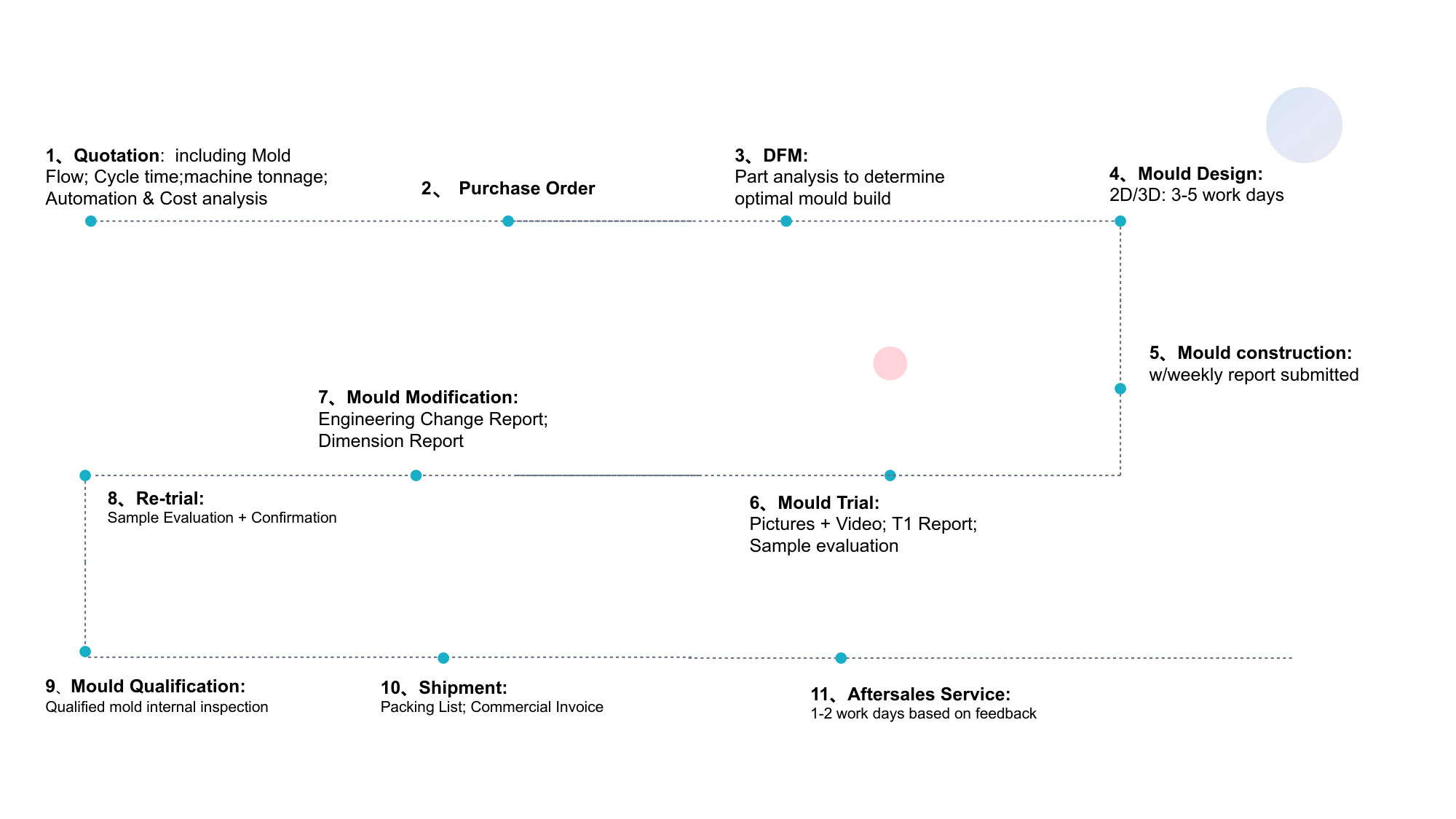
 Personal Care Molds
 Electronic Molds
 Automotive Molds
 Home Appliance Molds
 Special Molds
 Design & Engineering
 Production & Manufacturing
 Global Presence
 Business Scope
 Component Solutions
 Product Assembly
 Quality Management
 Medical Device Manufacturing



TPE mobile phone case with magnetic insert molding
FEATURES
The Core Product — TPE Mobile Phone Case with Magnetic Insert Molding
1.1 Why TPE and Why Magnetic Inserts?
TPE, or thermoplastic elastomer, offers a combination of properties that are ideally suited for premium phone cases. It provides a soft, non-slip tactile experience without the tackiness of silicone. It resists UV degradation, oils, and everyday chemicals far better than standard rubber. It can be formulated to meet various hardness Shore A specifications, allowing a single material system to deliver both a firm structural frame and a cushioning outer layer.
The magnetic insert introduces a functional layer. By embedding a magnet or magnetically responsive element directly into the TPE matrix during molding, Ansix eliminates the secondary assembly step that traditional case manufacturers must perform. This is not simply a cost-saving measure. It is a quality measure. Secondary assembly introduces variability: adhesive failure, positional error, and the risk of the magnet dislodging during drop impact. In-mold insertion ensures that the magnet is encapsulated, protected, and positioned with a repeatability that manual or robotic post-assembly cannot match.
The technical challenge is significant. TPE melts at temperatures that can degrade or demagnetize many magnetic materials. The magnet must be held in precise position against the forces of injection pressure, which can displace a loosely placed insert in milliseconds. And the bond between the TPE and the magnetic surface—often a metallic or coated substrate—must survive thermal cycling, mechanical stress, and time.
Ansix has developed proprietary approaches to each of these challenges, which are detailed in the following sections.
-
Mold Description
Product Materials:
Soft rubber: TPE LSR SILICONE
Mold Material:
S136ESR
Number of Cavities:
1
Glue Feeding Method:
Hot runner
Cooling Method:
Water cooling
Molding Cycle
22.5s
- The mold manufacturing process and product material selection
The Customer Value Proposition
From the customer's perspective, the value of a correctly executed TPE magnetic insert molded case is threefold:
Functional reliability. The magnet remains in position and retains its field strength for the life of the product. The user experiences consistent alignment with wireless chargers and magnetic accessories.
Aesthetic integration. The TPE flows around the insert to create a smooth, monolithic surface. There is no visible seam, no adhesive line, no raised edge. The magnet is felt, not seen.
Cost efficiency at scale. By integrating the magnet into the molding process, Ansix eliminates the labor, fixtures, and quality control overhead of secondary assembly. For a product with a typical production volume in the hundreds of thousands of units, this translates directly to unit cost reduction.
-
Manufacturing Process — From Digital Twin to Finished Part
2.1 Design and Engineering Phase: The Digital Genesis
The manufacturing journey at Ansix begins not with cutting metal, but with data. Using advanced 3D modeling and simulation software, Ansix engineers create a digital twin of the final case before any physical tooling is produced. This phase is critical for calculating the precise dimensions of the magnet pocket, the wall thickness of the TPE overmold, and the optimal gate locations to ensure uniform flow without displacing the insert.
The digital phase allows Ansix to answer questions that would otherwise require costly physical trials: Will the TPE flow around the magnet create a weld line on the visible surface? Will the melt temperature at the magnet interface exceed the Curie temperature of the magnetic material? Is the predicted cycle time compatible with the target unit cost?
For magnetic inserts, the digital simulation is particularly valuable because it allows the engineering team to model the magnetic field interaction within the mold. Ansix has developed proprietary fixtures that use magnetic force itself to hold the insert in the correct orientation during injection. This approach, which has been recognized in industry patents, prevents the insert from being pushed or deformed by the molding material. If the magnet is placed in the wrong orientation, the magnetic field will physically reject it, making the error immediately apparent to the operator or automated handling system.
2.2 Mold Manufacturing: The Foundation of Precision
Ansix's mold manufacturing capability is the bedrock upon which the entire operation rests. The company maintains a full complement of high-precision machining centers, including CNC mills capable of five-axis simultaneous machining, high-speed graphite mills for EDM electrode production, and wire EDM machines for cutting hardened tool steel with micron-level accuracy. The selection of mold steel is dictated by the abrasive nature of certain TPE formulations and the production volume anticipated.
For magnetic insert molding, the mold design incorporates several critical features:
Insert retention and orientation. The mold is designed with a precision nest that locates the magnet with a tolerance measured in hundredths of a millimeter. When the magnet is a neodymium element, the mold itself may contain a magnetic fixture that holds the insert securely in place against injection pressure. This eliminates the need for mechanical clamps that could mark the insert or obstruct TPE flow.
Thermal management. The mold incorporates conformal cooling channels where possible to ensure uniform temperature distribution across the cavity. Uniform mold temperature is essential for consistent TPE adhesion. If the mold surface is too cold, the TPE melt freezes before it can wet out and bond to the insert surface. If it is too hot, cycle time increases and the TPE may degrade.
Venting. Air trapped in the cavity at the moment of injection can cause short shots, burn marks, or weak adhesion. Ansix mold designs include precisely calculated venting at the fill front and at the insert interface, ensuring that the TPE melt displaces air completely as it flows.
2.3 Material Selection and Conditioning
The choice of TPE grade for a magnetic insert application is not arbitrary. Ansix works with a qualified network of TPE suppliers to select formulations that balance hardness, adhesion characteristics, and thermal stability. For cases that will be overmolded onto a polycarbonate or PC/ABS rigid frame, the TPE must be chemically compatible with the substrate to achieve optimal bond strength.
The magnetic insert itself undergoes a controlled preparation process. For metallic inserts, especially those made from copper or aluminum, preheating is often essential. Research in the industry has shown that preheating copper inserts from room temperature to approximately 100°C can increase peel strength from 12 N to 21 N. Ansix engineering evaluates each insert material and geometry to determine the optimal preheat profile. For small inserts with high thermal mass, preheating may be unnecessary because the TPE melt can rapidly heat the insert in the mold. For larger inserts or those made from highly conductive metals, a preheating station integrated into the production cell ensures that the insert enters the mold at a temperature that promotes adhesion without compromising cycle time.
2.4 Injection Molding: The Critical Process Window
The injection molding of TPE over a magnetic insert is a process with a narrow window. The key variables are melt temperature, injection speed, mold temperature, and packing pressure.
Melt temperature. Within the processing range specified by the TPE supplier, Ansix engineers select the highest practical melt temperature. A hotter melt has lower viscosity and more thermal energy to wet out and bond to the insert surface. However, the temperature must not exceed the point at which the magnetic insert is damaged or the TPE begins to degrade.
Injection speed. High injection speed is generally preferred. It reduces the time available for the melt to cool before filling is complete, and it generates shear heating that further raises the effective melt temperature at the flow front. Shear thinning behavior in most TPE grades also reduces viscosity at high shear rates, promoting better surface wetting.
Mold temperature. A higher mold temperature slows the cooling of the TPE melt, extending the time during which the polymer chains can diffuse into and entangle with the insert surface. This is particularly important for achieving strong adhesion without chemical bonding agents.
Packing pressure. Proper packing compensates for the volumetric shrinkage of the TPE as it cools. Insufficient packing can create voids or sink marks that compromise both appearance and structural integrity.
Ansix production cells are equipped with real-time process monitoring. Shot-to-shot variation in cavity pressure and temperature is tracked, and the process is maintained within statistical control limits. This is not merely a quality assurance measure; it is a yield optimization tool. When a process drifts, the system alerts the operator before out-of-spec parts are produced.
2.5 Automation and Intelligent Manufacturing
The integration of automation into the magnetic insert molding cell is a defining feature of Ansix's manufacturing model. Manual placement of magnetic inserts is slow, inconsistent, and prone to orientation errors. Ansix production lines utilize robotic handling systems that pick magnets from a vibratory or tray-fed system and place them into the mold with repeatable precision.
The automation extends beyond insertion. Robotic arms remove finished parts from the mold, place them on a cooling conveyor, and transfer them to downstream operations such as deflashing, inspection, and packaging. This continuous flow minimizes human contact with the product, reducing the risk of contamination or cosmetic damage.
The efficiency gains from this level of automation are substantial. Industry data from similar insert molding automation projects shows that cycle time can be reduced by nearly 50%, from 37.24 seconds to 19.33 seconds, while simultaneously improving the yield rate from 86.44% to 98.47%. For Ansix customers, this translates into higher throughput from the same capital equipment, lower labor content per unit, and a more predictable delivery schedule.
Part Three: Delivery Efficiency, Quality Assurance, and Cost Control
3.1 Delivery Efficiency
Ansix's production planning is built around the realities of the consumer electronics accessory market. Demand for phone cases is seasonal, model-dependent, and often subject to rapid ramp-up when a new device is launched. A manufacturer that cannot flex its capacity and compress its lead times becomes a bottleneck for its customers.
Ansix addresses delivery efficiency through several structural advantages. The company's manufacturing footprint includes multiple injection molding machines in a range of tonnages, allowing production to be allocated to the appropriate press without bottlenecking. Mold changeover is streamlined through standardized clamping systems and pre-staged material handling. And because the company controls its own mold manufacturing, it can bring new tooling online without relying on external suppliers for critical path items.
For magnetic insert molding specifically, the automation of insert handling eliminates one of the most common sources of production delay: manual placement bottlenecks. A robotic cell does not tire, does not take breaks, and does not introduce human variability into the cycle.
3.2 Quality Assurance: From First Article to Final Audit
Quality in magnetic insert molding cannot be inspected in. It must be designed into the process. Ansix's quality framework begins with the design of experiments (DOE) that establishes the process window, continues through statistical process control (SPC) during production, and concludes with final inspection protocols that verify every critical-to-function attribute.
In-process monitoring. Cavity pressure sensors and thermocouples provide real-time data on every shot. If the pressure curve deviates from the established signature, the shot is flagged for inspection.
Magnetic verification. Every production batch is sampled for magnetic field strength and polarity orientation. This can be done with a handheld gauss meter for field strength and a simple polarity tester for orientation. Because the cost of a mis-oriented magnet in the field is a dissatisfied customer, Ansix treats magnetic verification as a non-negotiable quality gate.
Adhesion testing. Destructive peel tests are performed on sampled parts to verify that the TPE-to-insert bond meets specification. The test method and acceptance criteria are agreed upon with the customer during the validation phase.
Dimensional and cosmetic inspection. Automated vision systems inspect for cosmetic defects such as flow lines, splay, short shots, and flash. Critical dimensions are verified with coordinate measuring machines (CMM) and optical comparators.
3.3 Cost Control: The Most Competitive Advantage
Cost control in TPE magnetic insert molding is not achieved through a single dramatic intervention. It is the cumulative result of hundreds of small efficiencies: a mold design that runs a shorter cycle, a material selection that reduces scrap, an automation cell that eliminates a manual operation, a process window that produces fewer defects.
Ansix's most significant cost advantage lies in the elimination of secondary assembly. A traditional magnetic case manufacturer must mold the TPE case, mold or purchase the magnet assembly, and then join the two in a separate operation. That operation requires fixtures, labor, quality checks, and floor space. By integrating the magnet into the molding process, Ansix removes that entire cost center from the equation.
Additional cost reductions come from:
Cycle time optimization. Through mold design and process tuning, Ansix minimizes the time required per shot. Faster cycles mean more parts per machine-hour, which spreads fixed costs over a larger production volume.
Material efficiency. Hot runner systems and optimized sprue designs reduce the amount of TPE that is wasted as scrap on each shot. Regrind is carefully controlled and, where permitted by the customer specification, reintroduced at a validated ratio.
Yield improvement. Every defect that is caught and scrapped represents wasted material, machine time, and labor. By maintaining tight process control and early detection of drift, Ansix keeps yield rates high and scrap rates low.
Energy efficiency. Modern injection molding machines with servo-driven hydraulics or all-electric drives consume significantly less energy per part than older hydraulic machines. Ansix's equipment selection reflects a deliberate focus on energy productivity.
Part Four: Customer-Centric Values — What Ansix Delivers Beyond the Part
4.1 Design for Manufacturing (DFM) Support
Ansix does not wait for a finalized design to begin engineering. The company's DFM engineers work with customers from the concept stage to identify features that will be difficult or costly to mold and to propose alternatives that achieve the same functional and aesthetic goals with better manufacturability. For magnetic insert molding, this often means advising on magnet pocket geometry, magnet material selection, and the trade-offs between different TPE hardness grades and adhesion performance.
4.2 Rapid Prototyping and Validation
Before committing to production tooling, Ansix can produce prototype parts using rapid tooling methods. These prototypes allow the customer to test fit, function, and feel. For magnetic cases, prototype parts also allow the customer to verify that the magnetic field strength and orientation meet the requirements of the final application.
4.3 After-Sales Support and Continuous Improvement
Ansix's relationship with its customers does not end at the shipping dock. The company provides technical support for any field issues that arise, and it maintains a feedback loop from field performance back to the engineering and production teams. When a customer reports a concern, Ansix's response is not defensive. It is investigative. The goal is to understand the root cause and to implement a corrective action that prevents recurrence.
Conclusion: Why Ansix Leads in TPE Magnetic Insert Molding
The TPE mobile phone case with magnetic insert molding is a product that appears simple but embodies a sophisticated convergence of material science, tooling precision, and process control. Ansix Tech has built its leadership position by refusing to treat this product as a commodity. The company applies the same rigor to a phone case that it would apply to a medical device or an automotive sensor housing.
The result is a manufacturing capability that delivers:
Design freedom through DFM support and rapid prototyping
Production efficiency through automation and process optimization
Quality assurance through in-process monitoring and rigorous testing
Cost competitiveness through the elimination of secondary operations and high yield rates
Delivery reliability through vertically integrated mold manufacturing and flexible capacity
For brands that compete in the global mobile accessory market, the choice of manufacturing partner is a strategic decision. A partner that can reduce defect rates, shorten lead times, and lower total cost is not merely a supplier. It is a competitive advantage. Ansix Tech is that partner.
Ansix Tech Co Ltd
If you have any plans related to TPE mobile phone case with magnetic insert molding , you can contact us at any time. We will turn your ideas into reality, let you realize your dreams, and obtain large orders from the market. Our contact information is info@ansixtech.com. Or contact our CTO, mail: stephen@ansixtech.com
#www.ansixtech.com #ansixtech.com #TPE mobile phone case with magnetic insert molding #Concrete pump truck elbow #TPE mobile phone case with magnetic insert molding Mold injection mold companies #Ansix #Ansix moulds #Ansix china #Ansix tech china #Ansix tech company #Ansix facotry #TPE mobile phone case with magnetic insert molding injection molding #TPE mobile phone case with magnetic insert molding injection tools #TPE mobile phone case with magnetic insert molding injection moulds #TPE mobile phone case with magnetic insert molding plastic mould #TPE mobile phone case with magnetic insert molding plastic tools #Ansix Tech #Ansix molds #Ansix injection molding #Ansix mold factory #TPE mobile phone case with magnetic insert molding injection molding Customized #Ansix mold factory #TPE mobile phone case with magnetic insert molding china #TPE mobile phone case with magnetic insert molding molds #injection factory for TPE mobile phone case with magnetic insert molding #TPE mobile phone case with magnetic insert molding injection molding #TPE mobile phone case with magnetic insert molding injection molding factory #injection molding company #TPE mobile phone case with magnetic insert molding injection mold companies #TPE mobile phone case with magnetic insert molding Tooling #TPE mobile phone case with magnetic insert molding mold limited #Ansix mold china #Ansix companies for TPE mobile phone case with magnetic insert molding #Ansix company China #TPE mobile phone case with magnetic insert molding facotry #Ansix Tech #Ansix Tech mould #TPE mobile phone case with magnetic insert molding injection moulding #TPE mobile phone case with magnetic insert molding injection moulding company #Ansix TPE mobile phone case with magnetic insert molding parts injection mold companies #TPE mobile phone case with magnetic insert molding injection molding companies china #TPE mobile phone case with magnetic insert molding china factory #Ansix moulding companies #Ansix molding company #TPE mobile phone case with magnetic insert molding injection moulding facotry #Ansix Tech mold #TPE mobile phone case with magnetic insert molding mould #TPE mobile phone case with magnetic insert molding plastic injection molding #ansix plastic mold #TPE mobile phone case with magnetic insert molding Mold manufacturing #TPE mobile phone case with magnetic insert molding parts manufacturing #TPE mobile phone case with magnetic insert molding plastic parts factory #TPE mobile phone case with magnetic insert molding injection parts mold #TPE mobile phone case with magnetic insert molding PRECISION MANUFACTURING #TPE mobile phone case with magnetic insert molding TOOL #China TPE mobile phone case with magnetic insert molding mold #Concrete pump truck elbow injection moulding china #TPE mobile phone case with magnetic insert molding mould china #china precision mold #Concrete pump truck elbow mold in china #TPE mobile phone case with magnetic insert molding mold china #TPE mobile phone case with magnetic insert molding Precision molds #High-precision molds #TPE mobile phone case with magnetic insert molding High-precision tool #Injection molds #TPE mobile phone case with magnetic insert moldingFactory #TPE mobile phone case with magnetic insert moldingCompany #Super Large Injection Mold Factory #Large Tonnage Injection Molding Factory #TPE mobile phone case with magnetic insert moldingCompany #TPE mobile phone case with magnetic insert moldingFactory #2800T Injection Molding Factory #3000 Ton Injection Molding #4500 Ton Injection Molding Factory #TPE mobile phone case with magnetic insert molding Large Mold Injection Molding #Large Plastic Mold Injection Molding Factory #TPE mobile phone case with magnetic insert molding Large Injection Mold Manufacturer #TPE mobile phone case with magnetic insert molding Plastic Mold Factory #Injection Mold #Plastic tooling