



Medicine bottle cap needle valve hot runner system, 48 cavities
medicine bottle cap needle valve hot runner system, 48 cavities

Ansix Tech Redefines Medical Manufacturing with 48-Cavity Needle Valve Hot Runner System
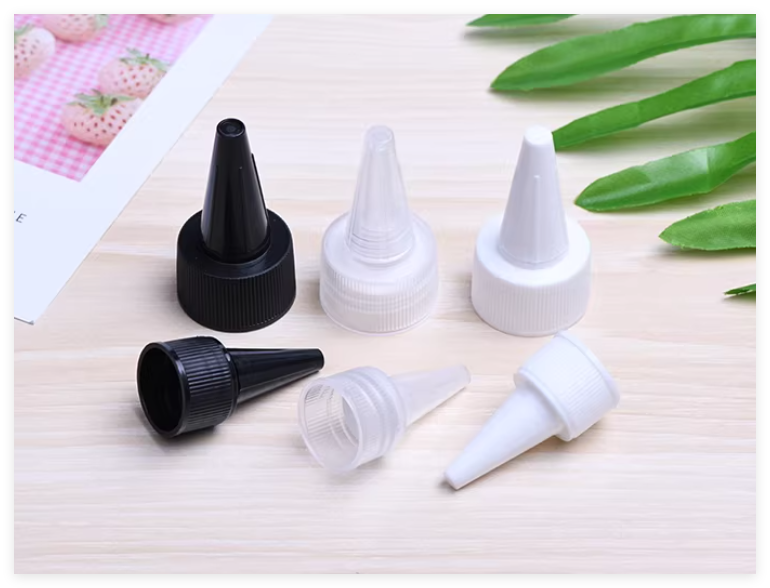
DONGGUAN, China – In an industry where precision determines patient safety and efficiency dictates market viability, a breakthrough in medical device manufacturing has emerged from Ansix Tech’s advanced engineering labs. The company has successfully developed, validated, and brought to full-scale production a 48-cavity hot runner mold system for manufacturing medicine bottle cap needle valves—a component critical to the functionality of metered-dose inhalers and precise liquid dispensers.
This achievement represents more than just manufacturing scale; it embodies a holistic re-engineering of the injection molding value chain. By integrating digital simulation, material science, and precision engineering, Ansix Tech has created a production system that delivers the extreme reliability demanded by the medical sector while achieving the cost-efficiency necessary for competitive global supply. The project leverages the company’s ANSIX Mold Workshop philosophy, applying decades of cross-industry experience from automotive and semiconductor packaging to solve persistent challenges in medical device production.
The Medical Packaging Imperative: Where Precision Meets Volume
The global market for precision drug delivery devices is experiencing sustained growth, driven by an aging population and the rise of chronic respiratory diseases. Components like needle valves are deceptively simple in appearance but formidable in their specifications: they must create a perfect seal every time, resist chemical degradation from medications, and be produced in volumes reaching hundreds of millions of units annually with zero critical defects.
For years, manufacturers have struggled to balance these demands. High-cavitation molds promise volume but risk consistency; overly conservative designs ensure quality but at prohibitive cost. Ansix Tech’s 48-cavity system, developed for a major global pharmaceutical supplier, directly targets this paradox. The project’s core objective was unambiguous: achieve First Article Approval and Production Part Approval Process (PPAP) certification for a mold that could double the output of conventional systems without expanding the production footprint or compromising the stringent standards of ISO 13485 and cGMP.
Phase 1: Digital Prototyping and Design Validation
The journey from concept to certified production began not on the factory floor, but in the virtual realm. Ansix Tech’s engineers employed a dual-simulation approach, using advanced Computer-Aided Engineering (CAE) tools to de-risk every aspect of the design.
Design for Manufacturability (DFM) Analysis: The initial phase involved a microscopic examination of the needle valve geometry. Engineers focused on optimizing wall thickness transitions to prevent sink marks, ensuring adequate draft angles for reliable ejection, and eliminating stress concentrations that could lead to premature part failure.
Advanced Mold Flow Analysis (MFA): Using Autodesk Moldflow software, the team simulated the flow of molten plastic through the complex 48-cavity hot runner system. The primary goal was to achieve perfect flow balance—ensuring each of the 48 cavities fills at precisely the same rate, pressure, and temperature. Unbalanced flow leads to dimensional variation, inconsistent part density, and variable sealing performance, which is unacceptable for medical devices. The simulation predicted and eliminated potential defects like weld lines, air traps, and burn marks before a single toolpath was programmed.
Prototyping and Functional Verification: While simulation provides high confidence, physical validation remains crucial. Functional prototypes were produced using high-resolution stereolithography (SLA). These prototypes underwent rigorous fit, form, and function testing, including seal integrity checks under pressure and chemical resistance trials. This step provided the final assurance that the digital design would perform in the real world.
Phase 2: The Science of Strategic Selection
With a validated design, the focus shifted to materials. The selection of polymer and mold steel is a strategic decision that locks in performance, longevity, and cost.
Table: Material Selection Analysis for Medical Needle Valve

Mold Steel Selection: For the mold itself, Ansix Tech selected H13 tool steel, hardened to 48-52 HRC, for the core and cavity inserts. For components in direct contact with the medical-grade plastic and requiring impeccable hygiene, such as the hot runner tips and certain ejector sleeves, Stainless Steel (420SS) was specified for its superior corrosion resistance and polishability. This combination ensures the mold can withstand the abrasion of filled polymers over a multi-million-cycle lifespan while maintaining the pristine surfaces required for medical parts.
Phase 3: Engineering the 48-Cavity Production Engine
The mold design is where Ansix Tech’s experience in high-cavitation systems, such as those for semiconductor packaging, became paramount. Every system within the mold was engineered for precision and efficiency.
Hot Runner System: A needle-valve gate (NVG) hot runner system was implemented. Unlike open-gate systems, needle valves provide positive shut-off, eliminating drool and stringing. This is critical for medical parts where gate vestige must be minimized. The 48 individual valve gates are controlled by a sophisticated sequence controller to ensure balanced filling.
Conformal Cooling Revolution: Up to 80% of an injection molding cycle is cooling time. For a 48-cavity mold, non-uniform cooling is a recipe for warpage and extended cycles. Ansix Tech utilized additive manufacturing (3D printing) to create conformal cooling channels that follow the exact contour of each needle valve cavity. Compared to traditional drilled channels, this innovation extracts heat more uniformly and efficiently, reducing cooling time by approximately 28%—a decisive factor in per-part cost.
Ejection & Venting: A multi-stage ejection system using ejector sleeves and blades was designed to gently but definitively remove the delicate parts. Strategic micro-vents were placed at the end of flow paths and along parting lines to allow trapped air to escape, preventing burns and short shots.
Phase 4: Precision Manufacturing and Process Mastery
Translating the digital design into a physical masterpiece of tooling required a symphony of advanced manufacturing techniques. The workflow followed a disciplined sequence: Design Review → Material Procurement → Rough CNC Machining → Heat Treatment → Finish Machining → Electrical Discharge Machining (EDM) for fine details → Precision Polishing → Final Assembly.
The greatest challenges emerged here: achieving micron-level alignment across 48 cavities, managing thermal distortion during heat treatment, and executing a medical-grade polish on complex geometries. Ansix Tech’s team of skilled technicians, using five-axis CNC mills and precision EDM, overcame these hurdles through meticulous process control.
With the mold installed in a 550-ton injection molding machine, the focus shifted to process optimization. The team employed Scientific Molding principles, conducting a Design of Experiments (DOE) to establish a robust, repeatable process window.
*Table: Optimization Levers for the 48-Cavity Process*

Phase 5: Validation, Quality, and Delivery
The final validation phase was exhaustive. The mold underwent Sample Testing Approval and rigorous PPAP documentation. Every dimension on sample parts was verified using Coordinate Measuring Machines (CMM). Functional tests replicated real-world conditions to validate sealing performance.
Ansix Tech’s quality system is built on Statistical Process Control (SPC). Critical dimensions from production parts are measured and charted in real-time. The integrated cavity pressure monitoring system creates a "digital fingerprint" for every shot, ensuring any deviation from the golden standard triggers an automatic alert.
For packaging, components are handled in a cleanroom environment, bagged in medical-grade polyethylene, and shipped in tamper-evident containers. The entire manufacturing workflow, from order to delivery, is streamlined for rapid turnaround, recognizing that speed to market is a critical component of customer value.
Conclusion: The New Benchmark in Medical Molding
Ansix Tech’s 48-cavity medicine bottle cap needle valve project is more than a manufacturing success; it is a case study in value-driven engineering. By leveraging deep industry experience, the company has demonstrated that the highest standards of medical reliability and aggressive cost targets are not mutually exclusive.
The savings for customers are multi-faceted: material optimization selects the right-grade polymer, process efficiency slashes cycle times, and first-pass success eliminates costly mold rework. This project underscores Ansix Tech’s role not just as a mold maker, but as a strategic manufacturing partner capable of extending a client’s competitive advantage in the most demanding global markets.
“We are not just manufacturing parts; we are engineering reliability and value into every component,” stated Stephen Chen, CTO of Ansix Tech. “This project proves that through intelligent design, strategic material science, and total process integration, we can deliver the quality that patients depend on and the economics that businesses require.”


Ansix Tech Co Ltd
If you have any plans related to Medicine bottle cap needle valve hot runner system, 48 cavities , you can contact us at any time. We will turn your ideas into reality, let you realize your dreams, and obtain large orders from the market. Our contact information is info@ansixtech.com. Or contact our CTO, mail: stephen@ansixtech.com
#www.ansixtech.com #ansixtech.com #Medicine bottle cap needle valve hot runner system, 48 cavities #Ansix injection mould #Blood filter factory #Blood filter injection molding company #Blood filter injection mold companies #Ansix #Ansix moulds #Ansix china #Ansix tech china #Ansix tech company #Ansix facotry #Ansix Tech #Ansix molds #Ansix injection molding #Ansix mold factory #injection molding Blood filter #Ansix mold factory #Blood filter china #Blood filter precision molds #injection factory #Blood filter precision injection molding #Blood filter injection molding factory #injection molding company #Blood filter injection mold companies #Blood filter factory #Blood filter mold limited #Ansix mold china #Ansix companies #Ansix company China #Blood filter facotry #Ansix Tech #Ansix Tech mould #Blood filter injection moulding #injection moulding company #Ansix Blood filter parts injection mold companies #Blood filter #Blood filter china #Blood filter china factory #Ansix moulding companies #Ansix molding company #Blood filter injection moulding facotry #Ansix Tech mold #Blood filter precision mould #Blood filter plastic injection molding #ansix plastic mold #Mold manufacturing #Blood filter parts manufacturing #Blood filter plastic parts factory #Blood filter injection parts mold #Blood filter PRECISION MANUFACTURING #Blood filter precision #China mold #Blood filter injection moulding china #Blood filter mould china #china precision mold #mold in china #Blood filter precision mold china #Precision molds #High-precision molds #Blood filter #Injection molds #Blood filter Factory #Blood filter Company #Super Large Injection Mold Factory #Large Tonnage Injection Molding Factory #Blood filter Company #Blood filter Factory #2800T Injection Molding Factory #3000 Ton Injection Molding #4500 Ton Injection Molding Factory #Large Mold Injection Molding #Large Plastic Mold Injection Molding Factory #Large Injection Mold Manufacturer #Plastic Mold Factory #Injection Mold #Plastic Mold