



PPSU baby bottle mold
PPSU Baby bottle mold

Precision Engineering for Nurturing Life: Ansix Tech's Advanced Approach to PPSU Baby Bottle Mold Manufacturing
An inside look at how advanced engineering and process optimization transform high-performance material into safe, affordable infant care products
In the world of infant care, where safety and quality are non-negotiable, the manufacturing of baby bottles stands as a critical nexus of materials science, precision engineering, and meticulous quality control. At the forefront of this specialized manufacturing discipline is Ansix Tech, a company that has developed proprietary expertise in creating high-performance injection molds for PPSU baby bottles—a material prized for its exceptional safety and durability properties.
The journey from polymer pellets to finished feeding vessel is one of remarkable transformation, combining sophisticated design, precise manufacturing, and stringent testing protocols. This article explores the comprehensive process that Ansix Tech has perfected, demonstrating how their systematic approach not only ensures product excellence but also creates significant value through cost optimization and efficiency improvements.
The Premium Material: Understanding PPSU's Unique Properties
Polyphenylsulfone (PPSU) represents the gold standard in infant feeding container materials for compelling reasons. This high-performance thermoplastic belongs to the polysulfone family and offers an exceptional combination of properties ideal for baby care applications.
Unlike more common plastics, PPSU maintains structural integrity across an extreme temperature range from -100°C to +150°C, making it equally suitable for freezer storage, refrigerator cooling, and sterilization processes. Its glass transition temperature of approximately 150°C far exceeds that of alternative materials, allowing it to withstand repeated steam and chemical sterilization without degradation. Additionally, PPSU demonstrates remarkable chemical resistance against most acids, bases, and cleaning solutions, while remaining hydrolytically stable—meaning it won't degrade when exposed to moisture over time.
From a safety perspective, PPSU's BPA-free composition and proven biocompatibility meet the most stringent international standards for food contact and medical applications. These intrinsic properties have established PPSU as the preferred material for discerning parents and healthcare professionals, but they also present significant manufacturing challenges that Ansix Tech has systematically addressed.
The Comprehensive Manufacturing Process: From Concept to Completion
Phase 1: Prototyping and Design Verification
Ansix Tech's process begins long before metal meets metal in the machine shop. Recognizing that design decisions made in the initial stages can determine up to 80% of final production costs, the company employs an integrated approach to prototyping and verification.
Following industry leaders like Hegen, Ansix Tech incorporates advanced 3D printing technologies to accelerate design validation cycles. By utilizing printers compatible with various materials, including those simulating PPSU properties, engineers can quickly produce functional prototypes for critical assessments such as ergonomic testing, assembly verification, and initial drop tests. This approach allows for rapid iteration—what previously took weeks through external prototyping services can now be accomplished internally in days, dramatically compressing development timelines while providing designers with immediate feedback on their concepts.
A crucial element in this phase is Design for Manufacturing (DFM) analysis, where engineers evaluate fundamental design elements such as uniform wall thickness, appropriate draft angles, rib reinforcement geometries, and gate placement strategies. While traditional DFM provides essential guidelines, Ansix Tech extends this analysis through dynamic simulation to predict how designs will perform under actual manufacturing conditions.
Phase 2: Advanced Mold Flow Analysis and Optimization
Building upon initial DFM assessments, Ansix Tech employs sophisticated CAE mold flow analysis to simulate the complete injection molding process virtually. This represents a critical advancement beyond static design checks, as it accounts for the dynamic interplay between material properties, mold geometry, and processing parameters.
Through tools like Moldex3D SYNC's geometric optimization capabilities, engineers can systematically analyze multiple design variations to identify optimal parameters. For instance, when analyzing a connector component with imbalanced flow, the optimization tool can automatically evaluate numerous thickness adjustments to determine which modification produces the most balanced fill pattern and minimal warpage.
This simulation-driven approach addresses PPSU's specific challenges, particularly its relatively high melt viscosity, which complicates flow through intricate mold cavities. By virtually testing gate designs, runner systems, and cooling channel layouts, Ansix Tech identifies potential issues—such as flow hesitations, air traps, or excessive shear heating—before committing to steel, avoiding costly modifications during production.
Phase 3: Precision Mold Manufacturing
The translation of optimized designs into physical molds represents the convergence of material science, precision machining, and thermal management engineering.
Mold Steel Selection:
For PPSU molds requiring high polish finishes and extended service life, Ansix Tech selects premium corrosion-resistant steels with exceptional hardness and thermal conductivity. The choice of steel grade directly impacts mold longevity, maintenance frequency, and ultimately, part quality consistency over hundreds of thousands of cycles.
Critical Systems Engineering:
Cooling System Design: Efficient thermal management is paramount with PPSU's processing temperatures of 260-280°C. Ansix Tech designs conformal cooling channels that follow cavity contours, ensuring uniform heat extraction and minimizing cycle times while preventing differential cooling that could cause warpage or internal stresses.
Runner and Gating Systems: Given PPSU's viscosity characteristics, Ansix Tech engineers implement hot runner systems with precise temperature control to maintain material at optimal flow conditions. Gate locations are strategically positioned to ensure balanced filling while minimizing visible witness marks on finished bottles.
Ejection Mechanism: The ejection system must remove finished parts without distortion or surface damage. For deep-draw geometries like bottle bodies, Ansix Tech often employs sophisticated stripper plate designs or multiple angled lifters that provide uniform ejection forces.
Machining and Finishing: Utilizing five-axis CNC machining centers and electrical discharge machining (EDM), mold components are manufactured to micron-level tolerances. Critical cavity surfaces undergo sequential polishing using progressively finer abrasives, achieving the mirror-like finishes necessary for PPSU's characteristic clarity. This polishing process is particularly crucial for baby bottles, as ultra-smooth surfaces prevent bacterial adhesion and facilitate thorough cleaning.
Phase 4: Injection Molding Process Optimization
With completed molds installed in precision injection machines, Ansix Tech's focus shifts to process optimization—where significant value is created through efficiency improvements and waste reduction.
Material Preparation: PPSU's hygroscopic nature necessitates thorough drying before processing, typically at 90-110°C for 3-4 hours to reduce moisture content below 0.02%. Insufficient drying leads to surface defects and degraded mechanical properties, so Ansix Tech implements redundant drying systems with continuous moisture monitoring.
Process Parameters for PPSU:

Cycle Time Reduction: Through systematic Scientific Molding techniques, Ansix Tech engineers identify the minimum necessary cooling time by monitoring part temperature at ejection. Combined with optimized packing profiles and high-efficiency cooling systems, these methods typically achieve 15-25% cycle time reductions compared to conventional approaches.
Scrap Reduction: Initial startup phases are managed using process capability studies to establish stable operating windows. By implementing closed-loop control systems that automatically adjust for material lot variations and machine wear, Ansix Tech maintains consistent quality while minimizing reject rates.
Phase 5: Stringent Quality Assurance
Given the critical nature of infant feeding products, Ansix Tech's quality protocols extend beyond standard dimensional checks to comprehensive material and performance validation.
Comprehensive Testing Regime:
Material Verification: Each batch undergoes Fourier-transform infrared spectroscopy (FTIR) to confirm polymer composition and screen for contaminants.
Performance Testing: Finished bottles are subjected to drop tests, pressure tests, and torque tests to validate mechanical integrity.
Safety Compliance: Critical migration testing evaluates potential extraction of substances under simulated use conditions, ensuring compliance with GB 38995-2020 and international standards.
Dimensional Validation: Coordinate measuring machines (CMM) verify critical dimensions, while optical comparators assess finer details.
Statistical Process Control: Throughout production, real-time monitoring systems track key parameters, with automated alerts triggered by deviations. This proactive approach prevents defect generation rather than merely detecting non-conforming products post-manufacture.
Creating Customer Value: Ansix Tech's Cost Optimization Philosophy
While premium materials like PPSU command higher raw material costs (approximately $40-50 per kilogram for medical grades), Ansix Tech systematically addresses overall cost structures to deliver exceptional value. Their multifaceted approach targets efficiency at every stage of the manufacturing lifecycle.
Design-Driven Value Engineering:
Part Consolidation: By redesigning assemblies to combine multiple components into single molded pieces, Ansix Tech reduces part counts, assembly operations, and inventory complexity.
Material Optimization: Through finite element analysis (FEA), wall thicknesses are minimized while maintaining structural requirements, reducing material consumption per part by 10-20% without compromising performance.
Standardization: Where possible, Ansix Tech implements standardized components and features across different bottle designs, reducing mold complexity and maintenance requirements.
Manufacturing Efficiency Enhancements:
Multi-Cavity Mold Strategies: For high-volume components, Ansix Tech designs family molds that produce multiple different parts simultaneously or high-cavitation molds for identical components, dramatically increasing output per machine cycle.
Predictive Maintenance: Implementing IoT-enabled monitoring on molds and machinery allows for condition-based maintenance scheduling, preventing unplanned downtime that typically costs 15-20% of productive capacity in conventional operations.
Energy Management: Modern servo-electric injection machines, combined with heat recovery systems, reduce energy consumption by 30-60% compared to hydraulic equivalents, significantly lowering operating costs.
Supply Chain Integration: Ansix Tech's vertical integration strategy encompasses in-house mold manufacturing, material procurement partnerships, and injection molding operations. This controlled environment reduces external dependencies, minimizes logistics costs, and ensures consistent quality throughout the production chain.
Case in Point: The Ansix Tech Advantage
Consider a recent project involving a new line of ergonomic PPSU baby bottles with integrated anti-colic valves. Through Ansix Tech's integrated approach:
3D-printed prototypes allowed for early ergonomic testing with target user groups, identifying necessary adjustments before mold manufacturing.
Advanced mold flow analysis optimized wall thickness transitions, preventing potential sink marks in critical visual areas.
Conformal cooling channels reduced cycle times by 22% compared to conventional drilling methods.
Scientific molding techniques established robust process windows that accommodated natural material variations without compromising quality.
Part consolidation reduced the total component count from seven to four molded pieces, simplifying assembly and lowering overall system costs.
The cumulative effect of these optimizations delivered a 30% reduction in manufactured cost compared to the customer's initial projections, while achieving superior surface finishes and dimensional consistency.
Future Directions: Advancing the State of the Art
Ansix Tech continues to invest in emerging technologies that promise further advancements in PPSU bottle manufacturing:
Additive Manufacturing for Mold Components: Exploring metal 3D printing for conformal cooling channels in complex geometries previously impossible to machine.
Advanced Materials Intelligence: Developing machine learning algorithms that predict optimal processing parameters based on specific PPSU resin lot characteristics.
Sustainable Manufacturing Initiatives: Implementing closed-loop material recovery systems that recycle sprues and runners directly back into the production process, approaching 99% material utilization.
Enhanced Quality Assurance: Integrating in-line optical inspection systems with artificial intelligence for real-time defect detection and classification.
Conclusion: Engineering with Purpose
The creation of PPSU baby bottles represents far more than routine plastic part manufacturing—it's the responsible application of advanced engineering to serve the most vulnerable population. Through systematic process optimization, scientific molding principles, and relentless attention to detail, Ansix Tech transforms premium polymers into nurturing vessels that meet the highest standards of safety, functionality, and value.
Their comprehensive approach demonstrates how sophisticated manufacturing methodologies can simultaneously achieve seemingly contradictory objectives: enhancing quality while reducing costs, increasing efficiency while ensuring safety, and pushing technological boundaries while maintaining rigorous reliability.
For parents worldwide, the result is feeding products that provide peace of mind through exceptional performance. For manufacturers, Ansix Tech represents a partner capable of navigating the complexities of high-performance material processing while delivering measurable value throughout the product lifecycle. In the demanding world of infant care products, such engineering excellence isn't merely advantageous—it's essential.


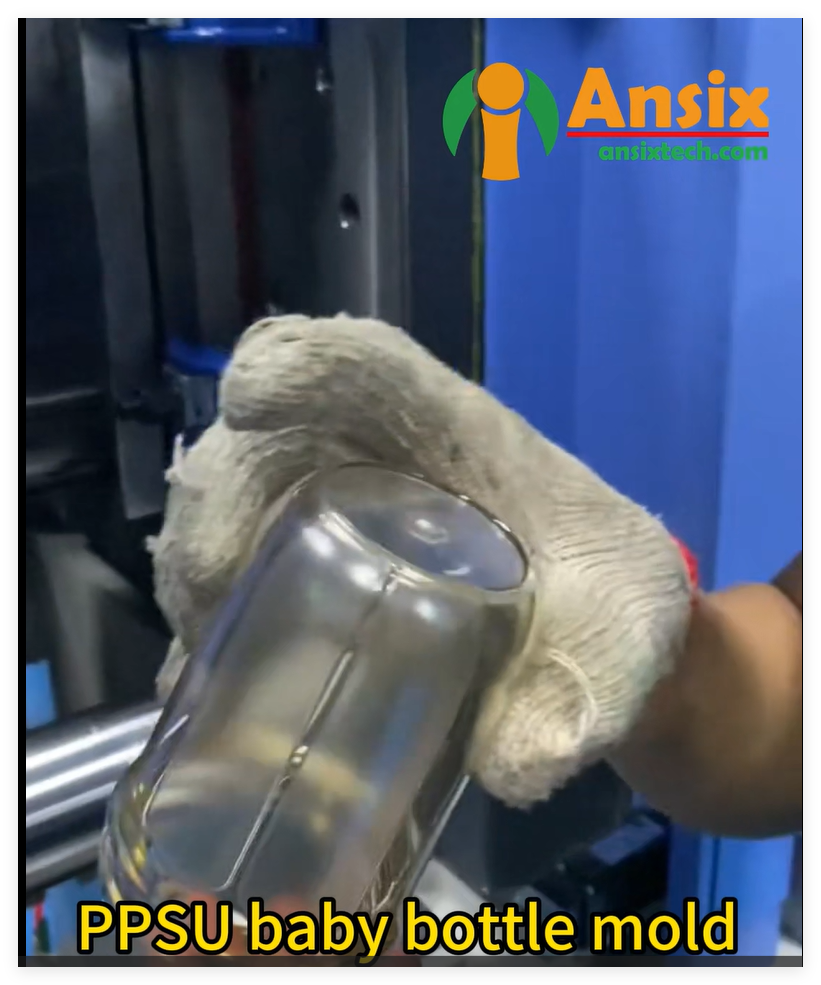
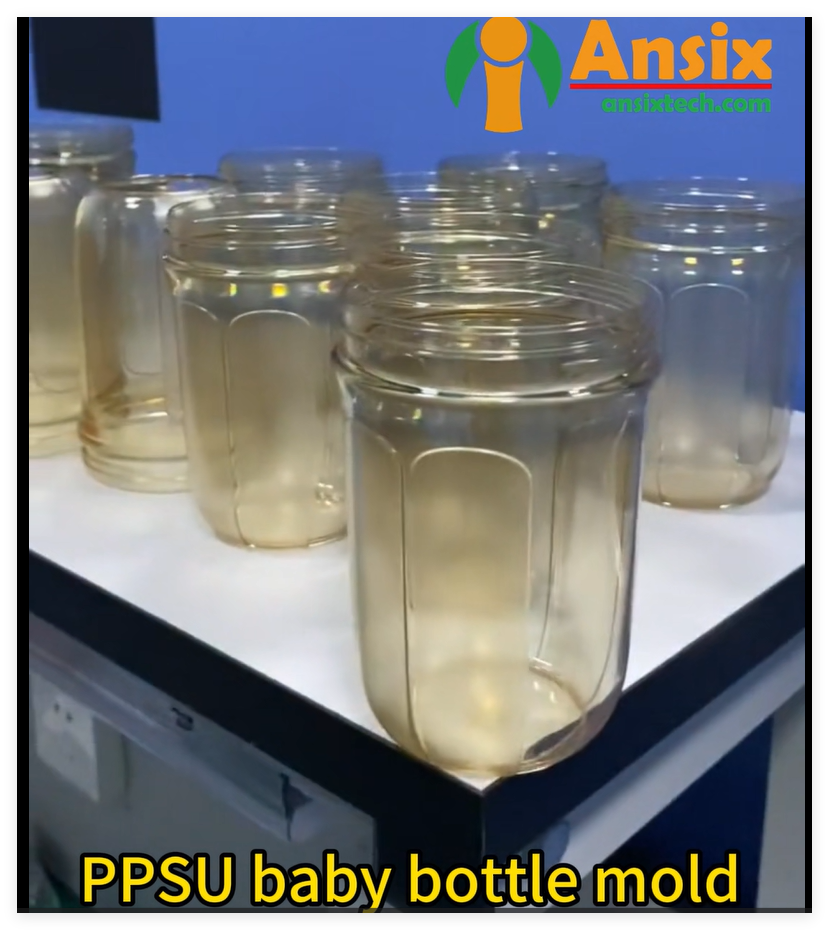
Ansix Tech Co Ltd
If you have any plans related to PPSU baby bottle mold, you can contact us at any time. We will turn your ideas into reality, let you realize your dreams, and obtain large orders from the market. Our contact information is info@ansixtech.com. Or contact our CTO, mail: stephen@ansixtech.com
#www.ansixtech.com #ansixtech.com #PPSU baby bottle mold #Ansix mold factory #Ansix injection molding #Ansix moud Ltd #PPSU baby bottle mold injection molding factory #Ansix injection mould #PPSU baby bottle mold factory #PPSU baby bottle mold injection molding company #PPSU baby bottle mold injection mold companies #Ansix #Ansix moulds #Ansix china #Ansix tech china #Ansix tech company #Ansix facotry #Ansix Tech #Ansix molds #Ansix injection molding #Ansix mold factory #injection molding PPSU baby bottle mold # Ansix mold factory #PPSU baby bottle mold china #PPSU baby bottle mold precision molds #injection factory #PPSU baby bottle mold precision injection molding #PPSU baby bottle mold injection molding factory #injection molding company #PPSU baby bottle mold injection mold companies #PPSU baby bottle mold mould factory #PPSU baby bottle mold mold limited #Ansix mold china #Ansix companies #Ansix company China #PPSU baby bottle mold facotry #Ansix Tech #Ansix Tech mould #PPSU baby bottle mold injection moulding #injection moulding company #Ansix PPSU baby bottle mold parts injection mold companies #PPSU baby bottle mold #PPSU baby bottle mold china #PPSU baby bottle mold china factory #Ansix moulding companies #Ansix molding company #PPSU baby bottle mold injection moulding facotry #Ansix Tech mold #PPSU baby bottle mold precision mould #PPSU baby bottle mold plastic injection molding #ansix plastic mold #Mold manufacturing #PPSU baby bottle mold parts manufacturing #PPSU baby bottle mold plastic parts factory #PPSU baby bottle mold injection parts mold #PPSU baby bottle mold PRECISION MANUFACTURING #PPSU baby bottle mold precision #China mold #PPSU baby bottle mold injection moulding china #PPSU baby bottle mold mould china #china precision mold #mold in china #PPSU baby bottle mold precision mold china #Precision molds #High-precision molds #Household appliance molds #Injection molds #PPSU baby bottle mold Factory #PPSU baby bottle mold Company #Super Large Injection Mold Factory #Large Tonnage Injection Molding Factory #PPSU baby bottle mold Company #Super PPSU baby bottle mold Factory #2800T Injection Molding Factory #3000 Ton Injection Molding #4500 Ton Injection Molding Factory #Large Mold Injection Molding #Large Plastic Mold Injection Molding Factory #Large Injection Mold Manufacturer #Plastic Mold Factory #Injection Mold #Plastic Mold