


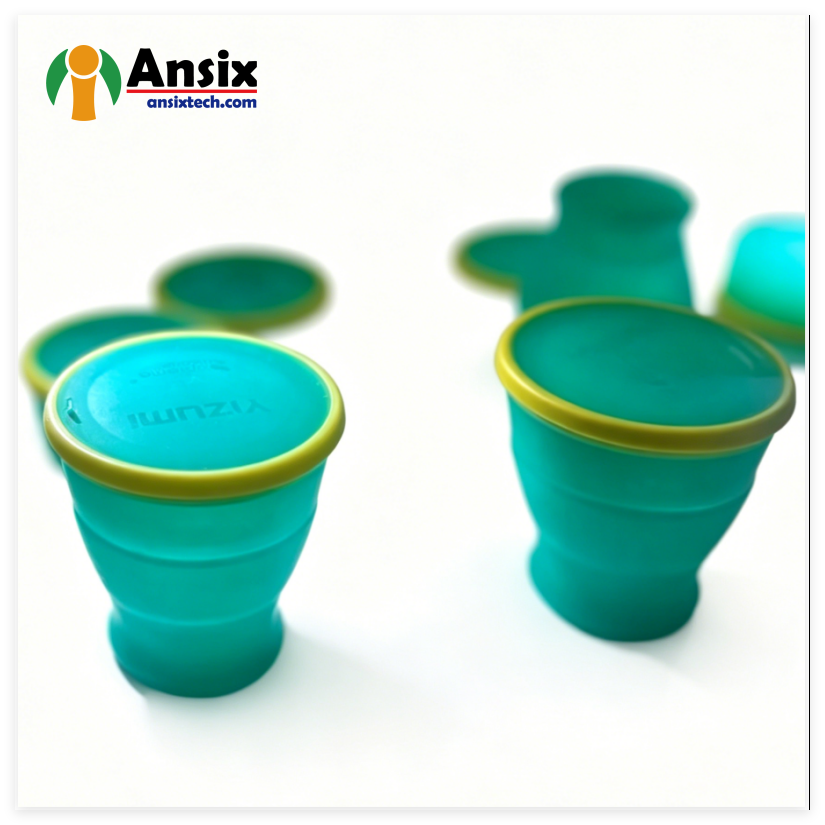


HDPE
HDPE


Ansix Tech Launches Custom HDPE Compounding Project: Redefining Value Creation in High-Density Polyethylene Injection Molding
Executive Summary
Ansix Tech Co., Ltd., a distinguished toolmaker and manufacturer with over 29 years of experience in plastic injection molding, has officially announced the launch of its custom High-Density Polyethylene (HDPE) compounding project. This strategic initiative marks a significant milestone in the company's commitment to delivering comprehensive, end-to-end solutions for clients requiring specialized HDPE formulations and precision-molded components. With four production bases spanning China and Vietnam, over 260 injection molding machines ranging from 30 to 2,800 tons of clamping force, and a workforce exceeding 1,200 employees across more than 200,000 square meters of manufacturing space, Ansix Tech is uniquely positioned to transform how industries approach HDPE material selection, part design, and high-volume production.
HDPE TDS:

Part I: High-Density Polyethylene (HDPE) — An In-Depth Introduction
What is HDPE?
High-Density Polyethylene, universally abbreviated as HDPE, is a thermoplastic polymer produced from the monomer ethylene. It is a member of the polyethylene family, distinguished by its linear molecular structure with minimal branching, which enables the polymer chains to pack closely together. This dense molecular arrangement—typically exhibiting a density ranging from 0.941 to 0.965 g/cm³—imparts the material with its characteristic high strength-to-density ratio, making it one of the most widely utilized engineering thermoplastics in the global manufacturing landscape.
Chemical Structure and Polymerization
The production of HDPE involves the polymerization of ethylene (C₂H₄) monomers through catalytic processes, most commonly using Ziegler-Natta catalysts or chromium/silica catalysts. The polymerization reaction occurs under controlled conditions of temperature and pressure, resulting in a polymer chain with a high degree of crystallinity—typically between 60% and 80%. This high crystallinity is the fundamental reason for HDPE's superior mechanical properties compared to its low-density counterpart (LDPE). The linear structure of HDPE, with its minimal chain branching, allows the molecular chains to align and pack efficiently, creating strong intermolecular forces (van der Waals forces) that contribute to the material's remarkable tensile strength, stiffness, and chemical resistance.
Historical Development and Market Significance
Since its commercial introduction in the 1950s, HDPE has evolved into a cornerstone material for countless industries. The global HDPE extrusion market alone is forecasted to reach US$49.288 billion by 2030, growing at a compound annual growth rate of 3.64% from US$41.216 billion in 2025. This sustained growth trajectory reflects the material's versatility, cost-effectiveness, and increasing adoption across packaging, construction, automotive, and consumer goods sectors. The Asia-Pacific region, where Ansix Tech maintains its primary manufacturing footprint, is experiencing particularly significant growth driven by booming packaging and construction sectors, as well as its large and continuously expanding population.
Key Properties That Define HDPE
Mechanical Properties: HDPE exhibits tensile strength at yield ranging from 17.9 to 30.3 MPa, with elongation at break values extending from 350% to an impressive 1,400%, depending on the specific grade and processing conditions. The flexural modulus, typically measured at 1% secant, ranges from 1,150 MPa to 1,550 MPa, indicating excellent stiffness and resistance to deformation under load. The material's hardness, measured on the Shore D scale, typically registers between 58 and 60, demonstrating its ability to withstand surface indentation and wear.
Thermal Properties: HDPE demonstrates a Vicat softening temperature of approximately 125°C at 10 N load, providing adequate thermal stability for most consumer and industrial applications. The deflection temperature under load at 0.455 MPa is typically around 66°C, indicating the material's ability to maintain dimensional stability under moderate thermal stress. The melting temperature range for HDPE generally falls between 120°C and 135°C, enabling efficient processing through injection molding, blow molding, and extrusion techniques.
Chemical Resistance: One of HDPE's most celebrated attributes is its exceptional resistance to a wide spectrum of chemicals, including acids, bases, alcohols, and many organic solvents. This chemical inertness makes HDPE the material of choice for containers, piping systems, and components exposed to aggressive chemical environments. The material also exhibits excellent resistance to moisture and water absorption, with water absorption rates typically below 0.01%, ensuring dimensional stability in humid or wet conditions.
Environmental Stress Crack Resistance (ESCR): HDPE grades vary significantly in their resistance to environmental stress cracking—a critical performance parameter for components subjected to simultaneous mechanical stress and chemical exposure. Grades such as Braskem's HDB0358 offer an outstanding balance between stiffness, impact strength, and ESCR, making them ideal for blow molding applications where long-term durability is paramount. Ansix Tech works extensively with ESCR-optimized HDPE formulations for applications ranging from beverage caps to industrial closures.
Processing Characteristics: The melt flow index (MFI) of HDPE varies widely across different grades, from as low as 0.35 g/10 min for blow molding applications to 20.0 g/10 min or higher for high-flow injection molding grades. This versatility in flow characteristics enables manufacturers to select the optimal grade for their specific processing method and part geometry. For injection molding applications, the MFI typically ranges from 2.0 to 20.0 g/10 min (measured at 190°C/2.16 kg), with higher MFI grades offering improved flow for thin-walled or complex geometries.
Part II: HDPE Applications Across Industries
Packaging Industry
The packaging sector represents the largest end-use market for HDPE, accounting for a substantial portion of global consumption. HDPE's durability, moisture barrier properties, and chemical resistance make it the material of choice for bottles, containers, closures, and films. The material's compatibility with food contact applications, particularly those meeting FDA regulations (such as Chevron Phillips Marlex® HMN 6060, which meets FDA Regulation 177.1520), further expands its utility in food and beverage packaging.
In the beverage industry, HDPE is extensively used for bottle caps and closures. Ansix Tech, for instance, manufactures HDPE caps ranging from 18 mm to 430 mm in diameter, with specific grades selected for different applications—CC027C/CC027SL for carbonated beverages, tea and juice; CC254 for light carbonated beverages; CC453 for purified water; and CC860 for high-speed purified water production. These closures leverage HDPE's strong impact resistance and excellent ESCR properties to maintain seal integrity throughout the product lifecycle.
Construction Industry
The construction sector represents another significant market for HDPE, with demand supported by pressure pipes, geomembranes, and cable protection systems. HDPE pipes are increasingly replacing traditional materials like steel and concrete due to their easier installation, lower costs, and superior performance characteristics. The material's resistance to corrosion, chemical attack, and environmental stress cracking makes it ideal for water and gas distribution networks, as well as for lining and protecting critical infrastructure.
Automotive Industry
In the automotive sector, HDPE is used to manufacture fuel tanks, interior components, and various under-the-hood applications. The ultra-high molecular weight grade of HDPE offers exceptional toughness that surpasses steel in certain applications, making it an attractive option for lightweighting initiatives in vehicle design. The global surge in automotive production continues to drive the expansion of the HDPE market.
Consumer Goods and Industrial Products
Beyond these primary sectors, HDPE finds extensive application in consumer goods, agricultural products (irrigation pipes and films), healthcare (medical device components and pharmaceutical packaging), and industrial components including crates, pails, and storage containers. The material's recyclability and growing availability of recycled HDPE grades further enhance its appeal in an era of increasing environmental consciousness and circular economy principles.
Part III: Ansix Tech's Custom HDPE Compounding Project — A New Paradigm in Material Solutions
Project Rationale and Strategic Vision
Ansix Tech's decision to establish a dedicated HDPE custom compounding project stems from a clear recognition of the limitations inherent in off-the-shelf resin solutions. While standard HDPE grades serve many applications adequately, an increasing number of projects require precisely tailored material properties to meet specific performance, regulatory, or cost targets. The custom compounding initiative enables Ansix Tech to bridge the gap between generic material offerings and the specialized requirements of its diverse clientele, which spans automotive, electronics, medical, and consumer goods industries.
Material Selection Framework: From Generic Grades to Tailored Solutions
The foundation of Ansix Tech's custom compounding capability lies in its comprehensive material selection framework. Drawing upon partnerships with industry-leading material suppliers including SABIC, the company maintains access to one of the broadest portfolios of HDPE grades in the industry. This extensive supplier network, combined with Ansix Tech's in-house material science expertise, enables the company to formulate custom compounds that precisely match application requirements.
The material selection process begins with a thorough analysis of the part's functional requirements, including:
Mechanical performance targets: Tensile strength, flexural modulus, impact resistance, and hardness specifications
Thermal requirements: Operating temperature range, heat deflection temperature, and thermal cycling stability
Chemical exposure profile: Resistance to specific chemicals, solvents, or environmental conditions
Regulatory compliance: Food contact approval (FDA), medical grade certification (ISO 13485), or automotive industry standards (IATF 16949)
Aesthetic requirements: Color, surface finish, and transparency considerations
Processing constraints: Melt flow requirements for specific part geometry and injection molding machine capabilities
Ansix Tech's quality management systems, which include ISO 9001, IATF 16949, ISO 13485, ISO 14001, and BSCI certifications, ensure that all material selections and custom formulations meet the highest industry standards. The company's ISO 8 cleanroom and GMP compliance, meeting US medical grade FDA 510K standards, further demonstrate its commitment to quality in regulated industries.
Custom Compounding Capabilities: Delivering Value Through Material Science
The custom compounding project enables Ansix Tech to modify base HDPE resins through the incorporation of various additives, fillers, and modifiers to achieve specific performance characteristics:
Impact Modification: For applications requiring enhanced toughness, the company can incorporate elastomeric modifiers or impact modifiers to improve low-temperature performance and resistance to brittle fracture.
Reinforcement: Glass fiber, mineral fillers, or other reinforcing agents can be added to increase stiffness, heat deflection temperature, and dimensional stability.
Flame Retardancy: For applications with stringent fire safety requirements, flame retardant additives can be incorporated to achieve specific UL ratings.
UV Stabilization: For outdoor applications, UV inhibitors and light stabilizers can be added to prevent degradation from prolonged sun exposure.
Color Customization: Precise color matching capabilities enable the production of components in any desired shade, eliminating the need for secondary painting or coating operations.
Recycled Content Integration: Ansix Tech can incorporate post-consumer recycled (PCR) HDPE content into formulations, supporting sustainability initiatives while maintaining performance standards.
Process Optimization Additives: Lubricants, mold release agents, and flow enhancers can be incorporated to improve processing characteristics and reduce cycle times.
What Value Does Custom Compounding Deliver to Clients?
Performance Optimization: By precisely tailoring material properties to application requirements, Ansix Tech ensures that each component delivers optimal performance in its intended use environment. This eliminates the compromises inherent in using generic materials and reduces the risk of premature failure.
Regulatory Compliance Assurance: Custom formulations can be developed to meet specific regulatory requirements, including food contact approvals, medical device standards, and automotive industry specifications. This reduces the compliance burden on clients and accelerates time-to-market.
Supply Chain Stability: By establishing dedicated compounding capabilities, Ansix Tech reduces client dependence on external compounders and mitigates supply chain risks associated with material availability fluctuations.
Intellectual Property Protection: Custom formulations developed for specific client applications can be maintained as proprietary, protecting the client's competitive advantage in their market.
Sustainability Support: The ability to incorporate recycled content and develop more sustainable formulations helps clients meet their environmental, social, and governance (ESG) targets.
Part IV: Comprehensive Technical Capabilities — From Concept to Production
Prototype Development and Design for Manufacturability (DFM)
Ansix Tech's custom HDPE project encompasses the entire product development lifecycle, beginning with prototype development and Design for Manufacturability (DFM) analysis. The company's engineering team conducts comprehensive DFM assessments that evaluate part geometry, wall thickness distribution, gate placement, and ejection requirements to optimize designs for efficient, high-quality production.
For HDPE components, DFM analysis pays particular attention to the material's unique characteristics, including its relatively high shrinkage rate (typically 1.5% to 4.0%, depending on grade and processing conditions) and crystalline nature. Engineers evaluate:
Wall thickness uniformity: HDPE's crystalline structure makes it susceptible to sink marks and warpage in areas of non-uniform wall thickness. Maintaining consistent wall thickness, typically between 1.5 mm and 3.0 mm for many applications, is critical to preventing defects.
Draft angles: Appropriate draft angles (typically 1° to 3° per side) are essential for reliable ejection and to prevent surface marring.
Corner radii: Generous radii on corners reduce stress concentrations and improve material flow during filling.
Gate location and design: Optimal gate placement ensures balanced filling, minimizes weld lines, and reduces internal stress.
Mold Flow Analysis and Simulation
Prior to mold construction, Ansix Tech employs advanced mold flow analysis software to simulate the injection molding process virtually. This simulation capability enables the engineering team to:
Predict filling patterns and identify potential flow imbalances
Optimize gate locations and runner system design
Evaluate cooling system effectiveness and identify hot spots
Predict warpage and shrinkage to enable proactive dimensional compensation
Validate processing parameters before steel is cut
By optimizing material flow and thermal profiles virtually, Ansix Tech ensures uniform polymer distribution and minimal internal stress, preventing issues like dimensional inaccuracies or warpage in finished parts.
Mold Design and Manufacturing
The mold design phase represents a critical intersection of material science, mechanical engineering, and manufacturing expertise. For HDPE injection molding projects, Ansix Tech's mold design engineers focus on several key areas:
Runner and Gate System Design: HDPE's processing characteristics demand careful attention to runner and gate design. Runner diameters typically range between 4 mm and 7.5 mm, with runner lengths kept as short as possible to minimize pressure drop and material waste. Gate lands should not exceed 0.75 mm in length. The company strongly recommends hot runner systems for HDPE applications, with insulated hot tip runners preferred when frequent color changes are anticipated. Hot runner systems offer several advantages for HDPE molding:
Reduced material waste through elimination of cold runner scrap
Faster cycle times through improved thermal management
Enhanced part quality through precise gate control
Reduced internal stress through controlled filling
Cooling System Design: The cooling phase typically accounts for 50% to 70% of the total molding cycle time (approximately 30 to 60 seconds for many applications). Efficient cooling system design is therefore essential for productivity and part quality. Ansix Tech's cooling system designs incorporate:
Conformal cooling channels that follow part contours for uniform heat extraction
Optimized cooling circuit layouts to minimize cooling time and reduce cycle times by 10% to 20%
Strategic placement of cooling lines to address thick sections and areas prone to warpage
Use of high-thermal-conductivity materials (such as beryllium copper) for inserts in critical areas
Ejection System Design: Reliable ejection is essential for high-volume production. Ansix Tech designs ejection systems that ensure:
Uniform ejection force distribution to prevent part deformation
Adequate ejection stroke for complete part removal
Minimal cycle time impact through optimized ejection sequencing
Mold Material Selection: Ansix Tech produces injection molding tooling primarily from aluminum or tool steel, with mold classifications ranging from 101-grade (designed for over 1,000,000 cycles) to lower-volume production tooling. For high-volume HDPE production, premium tool steel molds with multi-cavity configurations are typically employed, enabling the production of countless parts with consistent quality.
Injection Molding Process Optimization
Temperature Control: HDPE processing temperatures typically range from 190°C to 220°C, depending on the specific grade and part geometry. Precise temperature control across the barrel, nozzle, and mold is essential for achieving consistent melt viscosity, complete cavity filling, and optimal crystallinity. The material should be dried at 70°C to 80°C for 1 to 2 hours prior to processing to remove any moisture that could cause surface defects or degrade mechanical properties.
Injection Parameters: Optimal injection molding conditions for HDPE typically involve melting temperatures around 190°C, injection pressures of approximately 55 MPa, and refilling pressures of around 85 MPa. High-speed injection is recommended to minimize pressure drop and ensure complete filling before the material begins to crystallize.
Cooling Optimization: The crystalline nature of HDPE requires careful control of cooling rates to achieve the desired balance of mechanical properties and dimensional stability. Too rapid cooling can result in excessive shrinkage and warpage, while too slow cooling extends cycle time and reduces productivity. Ansix Tech's cooling system designs and process controls are optimized to achieve the ideal cooling profile for each specific application.
Cycle Time Reduction: Through systematic optimization of processing parameters, Ansix Tech achieves significant cycle time reductions. For high-speed applications such as bottle cap production, the company's multi-cavity molds can achieve molding cycles as short as 6.5 seconds. This efficiency translates directly into increased production capacity and lower per-part costs.
Quality Control and Assurance
Ansix Tech maintains a comprehensive quality management system that encompasses every stage of the manufacturing process:
Incoming Material Verification: All raw materials, including custom compounds, undergo rigorous incoming inspection to verify conformance to specifications. This includes testing of melt flow index, density, mechanical properties, and any other parameters critical to the application.
In-Process Quality Control: During production, continuous monitoring ensures that processing parameters remain within optimal ranges. Statistical process control (SPC) techniques are employed to detect and correct any deviations before they impact part quality.
Dimensional Inspection: Finished parts undergo dimensional inspection using coordinate measuring machines (CMM) and other precision measurement equipment to verify conformance to engineering drawings and tolerance requirements.
Mechanical Testing: Where specified, mechanical properties such as tensile strength, impact resistance, and hardness are verified through laboratory testing.
Visual Inspection: Automated and manual visual inspection systems detect surface defects, flow lines, sink marks, and other cosmetic issues.
The company's quality control personnel, working within the framework of ISO 9001, ISO 13485, and IATF 16949 quality management systems, ensure that each product meets relevant standards and requirements.
Part V: Cost Reduction Strategies — Maximizing Value for Clients
Material Cost Optimization
Strategic Material Selection: HDPE is inherently one of the most cost-effective engineering thermoplastics, typically priced between $1.00 and $1.70 per kilogram. Ansix Tech's material expertise enables the selection of the optimal grade for each application—balancing performance requirements against material cost. In many cases, a lower-cost HDPE grade with appropriate additives can deliver equivalent performance to a more expensive alternative.
Recycled Content Integration: The incorporation of post-consumer recycled (PCR) HDPE can reduce material costs by 20% to 50% compared to virgin materials. Ansix Tech's compounding capabilities enable the integration of recycled content while maintaining performance standards, delivering significant cost savings for clients.
Weight Reduction Through Design Optimization: Through scientific mold analysis and design optimization, Ansix Tech achieves weight reductions that translate directly into material cost savings. A 12.1% weight reduction achieved through optimized design can translate into millions saved in annual material costs for high-volume production.
Waste Minimization: Hot runner systems and optimized runner designs minimize material waste. Gas-assisted molding technology can further reduce material consumption by 20% to 50% depending on part geometry.
Processing Efficiency Optimization
Cycle Time Reduction: Optimized cooling system designs and process parameters reduce cycle times by 10% to 20%. For high-volume production, even a 1-second reduction in cycle time can translate into substantial annual capacity increases and cost savings.
Energy Efficiency: Advanced all-servo electric injection molding machines, including Japan's Fanuc, Sumitomo, Toshiba, Nissei, Engel, and Germany's Arburg, offer superior energy efficiency compared to hydraulic alternatives. These machines consume significantly less energy per part produced, reducing operational costs and environmental impact.
Automation Integration: Ansix Tech's production facilities are equipped with high-end customized injection molding machines with automation functions. Automated part handling, inspection, and packaging reduce labor costs and improve consistency.
Tooling Cost Optimization
Multi-Cavity Molds: For high-volume production, multi-cavity molds with 32, 48, 64, or even 72 cavities significantly reduce per-part tooling costs. Ansix Tech's mold design expertise ensures that multi-cavity tools deliver consistent quality across all cavities.
Mold Life Optimization: Proper mold design, material selection, and maintenance extend tool life, amortizing tooling costs over a larger production volume. 101-grade steel molds are designed for over 1,000,000 cycles.
Rapid Prototyping: For new product development, Ansix Tech can produce prototype tooling using aluminum or lower-cost steel, enabling design validation and market testing before committing to high-volume production tooling.
Part VI: Production Capacity and Delivery Assurance
Manufacturing Infrastructure
Ansix Tech's manufacturing infrastructure is designed to meet the most demanding production requirements. The company operates 260 injection molding machines with clamping forces ranging from 30 tons to 2,800 tons (and in some cases up to 4,000 tons). This extensive machine park enables the company to produce everything from miniature components for personal care products to large industrial closures and containers.
The company's four production bases—strategically located in Shenzhen, Dongguan, Hunan, and Vietnam—provide geographic diversification and redundancy that ensures supply chain resilience. This multi-site footprint enables Ansix Tech to respond quickly to customer orders, scale production as demand fluctuates, and maintain continuity in the face of regional disruptions.
Supply Chain Management
Ansix Tech has established long-term cooperative relationships with reliable suppliers to ensure the quality of raw materials and the stability of supply. The company works directly with manufacturers and their authorized agents to source top-grade injection molding materials, accompanied by detailed technical datasheets for each material. This approach helps prevent potential issues related to material sourcing and ensures consistent material quality across production runs.
For standard applications, Ansix Tech maintains stock materials that are both cost-effective and readily available. For specialized requirements, the company's supply chain capabilities enable rapid sourcing of custom compounds and specialty grades.
Delivery Assurance
Rapid Lead Times: Ansix Tech's integrated manufacturing capabilities enable production parts as fast as 10 to 15 days. This rapid turnaround capability is particularly valuable for time-sensitive projects and emergency production requirements.
Scalable Production: The company's extensive machine park and multi-site footprint provide inherent scalability. Production can be ramped up quickly to meet increased demand, with additional machines and shifts deployed as needed.
Logistics Optimization: Ansix Tech works with logistics companies to ensure timely delivery of products and efficient logistics. The company's global footprint, with production bases in China and Vietnam, enables efficient distribution to markets worldwide.
Packaging and Shipping: Comprehensive packaging solutions ensure that finished parts arrive at their destination in perfect condition. Packaging designs are optimized for protection, space efficiency, and ease of handling.
Part VII: Industry Experience and Proven Reliability
29 Years of Manufacturing Excellence
Ansix Tech's 29-year track record in plastic injection molding represents a deep reservoir of expertise that benefits every client project. The company's technical team, comprising engineers, technicians, and quality control personnel with extensive experience and specialized knowledge, provides technical support and solutions that ensure the smooth progress of the production process.
This experience encompasses a wide range of industries and applications, including:
Automotive: Interior and exterior components, fuel system parts, and under-hood components
Medical: Device components, pharmaceutical packaging, and cleanroom-manufactured parts
Packaging: Beverage caps, industrial closures, and food packaging components
Consumer Goods: Household products, appliances, and personal care items
Industrial: Crates, pails, storage containers, and industrial components
Innovation and Continuous Improvement
Ansix Tech's commitment to innovation is reflected in its continuous research and development of new materials, processes, and technologies. The company actively participates in industry seminars and exhibitions, communicating and sharing experiences with industry experts to continuously improve its innovation capabilities and competitiveness.
Notable technological capabilities include:
Gas-Assisted Injection Molding (GAIM): Ansix Tech has established itself as a market leader in headboard gas-assisted molding technology, integrating material science to deliver substantial cost reduction, minimized supply chain risk, and accelerated time-to-market.
Multi-Layer Tubing Technology: The company's Super-Tri multi-layer tubing platform demonstrates advanced capabilities in optimizing material flow and thermal profiles to ensure uniform polymer distribution and minimal internal stress.
High-Speed Multi-Cavity Molding: For high-volume applications such as bottle caps, Ansix Tech's high-speed multi-cavity injection molding systems achieve industry-leading productivity.
Quality Certifications and Standards
Ansix Tech's comprehensive quality certifications demonstrate its commitment to excellence:
ISO 9001: Quality management system certification
IATF 16949: Automotive industry quality management
ISO 13485: Medical device quality management
ISO 14001: Environmental management
BSCI: Business Social Compliance Initiative certification
ISO 8 Cleanroom: Clean manufacturing environment for medical and sensitive applications
GMP: Good Manufacturing Practice compliance
FDA 510K: US medical grade standard compliance
Conclusion: A New Standard in HDPE Manufacturing Partnership
Ansix Tech's custom HDPE compounding project represents a significant advancement in the company's ability to serve clients with comprehensive, integrated solutions. By combining deep material science expertise with world-class manufacturing capabilities, the company delivers value that extends far beyond simple part production.
Clients benefit from:
Tailored Material Solutions: Custom HDPE compounds precisely matched to application requirements
Design Optimization: DFM analysis and mold flow simulation that ensure manufacturable, cost-effective designs
World-Class Manufacturing: 260 injection molding machines across four production bases, with capabilities ranging from 30 to 2,800 tons
Quality Assurance: Comprehensive quality management systems with ISO 9001, IATF 16949, ISO 13485, and ISO 8 cleanroom capabilities
Cost Reduction: Material optimization, weight reduction, cycle time improvement, and waste minimization strategies
Reliable Delivery: Rapid lead times, scalable production, and robust supply chain management
Proven Experience: 29 years of industry expertise across automotive, medical, packaging, and consumer goods sectors
As the global HDPE market continues its growth trajectory, Ansix Tech stands ready to partner with clients seeking to leverage the full potential of this versatile material. Whether the requirement is for a custom compound formulation, a complex injection-molded component, or a complete turnkey manufacturing solution, Ansix Tech's comprehensive capabilities and commitment to excellence ensure that clients receive the highest quality, most cost-effective solutions available in the industry today.
The custom HDPE compounding project is not merely an expansion of services—it is a reaffirmation of Ansix Tech's core philosophy: that true value in manufacturing comes not from cutting corners, but from intelligent engineering, material science expertise, and an unwavering commitment to client success.
Ansix Tech Co Ltd
If you have any plans related to HDPE , you can contact us at any time. We will turn your ideas into reality, let you realize your dreams, and obtain large orders from the market. Our contact information is info@ansixtech.com. Or contact our CTO, mail: stephen@ansixtech.com
#www.ansixtech.com #ansixtech.com #HDPE #HDPE Material #HDPE Canopy Mold injection mold companies #Ansix #Ansix moulds #Ansix china #Ansix tech china #Ansix tech company #Ansix facotry #HDPEinjection molding #HDPEinjection tools #HDPEinjection moulds #HDPEplastic mould #HDPEplastic tools #Ansix Tech #Ansix molds #Ansix injection molding #Ansix mold factory #injection molding Customized stainless steel float switch for water level, oil level, high liquid level alarm#Ansix mold factory #HDPEchina #HDPEmolds #injection factory #HDPEinjection molding #HDPEinjection molding factory #injection molding company #HDPEinjection mold companies #HDPETooling #HDPEmold limited #Ansix mold china #Ansix companies #Ansix company China #HDPEfacotry #Ansix Tech #Ansix Tech mould #HDPEinjection moulding #injection moulding company #Ansix HDPEparts injection mold companies #medical injection molding companieschina #HDPEchina factory #Ansix moulding companies #Ansix molding company #HDPEinjection moulding facotry #Ansix Tech mold #HDPEmould #HDPEplastic injection molding #ansix plastic mold #Mold manufacturing #HDPEparts manufacturing #HDPEplastic parts factory #HDPEinjection parts mold #HDPEPRECISION MANUFACTURING #HDPE#China mold #HDPEinjection moulding china #HDPEmould china #china precision mold #mold in china #HDPEmold china #Precision molds #High-precision molds #HDPE#Injection molds #HDPEFactory #HDPECompany #Super Large Injection Mold Factory #Large Tonnage Injection Molding Factory #HDPECompany #HDPEFactory #2800T Injection Molding Factory #3000 Ton Injection Molding #4500 Ton Injection Molding Factory #Large Mold Injection Molding #Large Plastic Mold Injection Molding Factory #Large Injection Mold Manufacturer #Plastic Mold Factory #Injection Mold #Plastic Mold