


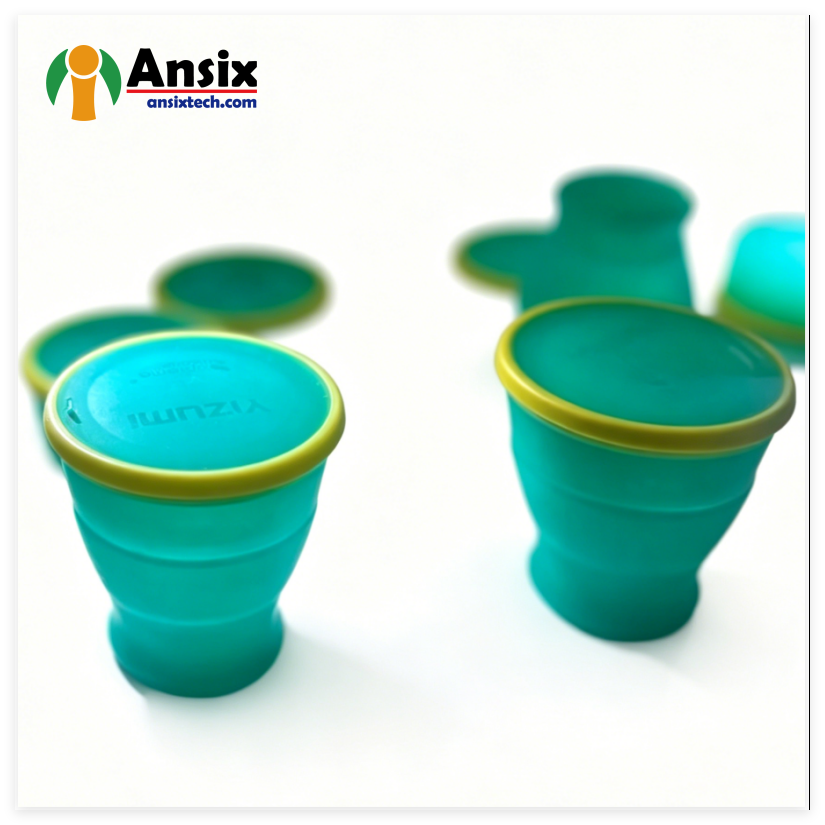


MDPE
MDPE


MDPE — Medium-Density Polyethylene — A Material Overview
1.1 Definition and Full Name
MDPE stands for Medium-Density Polyethylene. It is a thermoplastic polymer belonging to the polyethylene family, which also includes Low-Density Polyethylene (LDPE), Linear Low-Density Polyethylene (LLDPE), and High-Density Polyethylene (HDPE). MDPE occupies a unique position within this family, offering a balanced combination of properties that bridge the flexibility of LDPE and the rigidity of HDPE.
Chemically, MDPE is a polymer of ethylene monomers, typically produced through the copolymerization of ethylene with alpha-olefin comonomers such as 1-butene, 1-hexene, or 1-octene. The incorporation of these comonomers creates short-chain branches along the polymer backbone, which influences the material's crystallinity, density, and ultimately its mechanical and thermal properties. MDPE can be produced using various catalyst systems, including Ziegler-Natta and metallocene catalysts, with metallocene-catalyzed MDPE (mMDPE) offering enhanced clarity, balanced tear properties, and improved toughness.
1.2 Density Range and Classification
The defining characteristic of MDPE is its density, which typically falls within the range of 0.926 to 0.940 g/cm³. This density range places MDPE between LDPE (0.910–0.925 g/cm³) and HDPE (0.941–0.965 g/cm³). The density of MDPE is a direct consequence of its crystallinity—typically ranging from 40% to 55%—which in turn determines the material's stiffness, barrier properties, and thermal behavior.
1.3 Chemical Structure and Molecular Architecture
MDPE's molecular structure is characterized by a linear backbone with controlled short-chain branching. The degree and distribution of branching are carefully managed during polymerization to achieve specific property profiles. Unlike LDPE, which features extensive long-chain branching produced through high-pressure free-radical polymerization, MDPE is produced using low-pressure processes (Ziegler-Natta, Phillips, or metallocene catalysis) that yield a more linear structure with controlled short-chain branches.
The molecular weight distribution (MWD) of MDPE can be tailored to achieve specific processing and performance characteristics. Bimodal or multimodal MDPE grades—containing both low molecular weight (LMW) and high molecular weight (HMW) fractions—offer enhanced processability combined with superior mechanical properties. This molecular engineering capability is central to Ansix Tech's custom compounding approach, enabling the formulation of resins that simultaneously optimize flow characteristics, mechanical strength, and dimensional stability.
1.4 Key Physical and Mechanical Properties TDS:


The properties of MDPE make it an exceptionally versatile engineering material. The following table summarizes the key characteristics of MDPE:
Density: 0.926–0.940 g/cm³
Melt Flow Index (MFI): 0.23–7.0 g/10min (190°C/2.16kg), depending on grade
Tensile Strength: 12.4–19.3 MPa; typical tensile strength at break ranges from 26 to 34.8 MPa
Flexural Modulus (1% Secant): Typically 558–827 MPa
Environmental Stress Crack Resistance (ESCR): Excellent; some grades exceed 3,000 hours (100% IGEPAL)
Impact Strength: Excellent, with notched Izod impact values up to 590 J/m
Hardness: Shore D 48–55
Heat Capacity: 1.916 kJ/kg·K
Melting Temperature: Typically 120–130°C, depending on comonomer type and crystallinity
Long-Term Hydrostatic Strength (LTHS): >8 MPa at 20°C, qualifying as PE80 per ISO 9080
1.5 Environmental Stress Crack Resistance (ESCR)
One of the most significant attributes of MDPE is its exceptional environmental stress crack resistance (ESCR). This property measures the material's ability to withstand cracking when exposed to aggressive chemicals or environments while under stress—a critical requirement for applications such as pressure pipes, gas distribution systems, and chemical containers. MDPE's ESCR performance is typically superior to that of HDPE in many applications, making it the material of choice where long-term durability and reliability are paramount.
1.6 Low-Temperature Performance
MDPE exhibits excellent impact resistance and mechanical performance at low temperatures, making it suitable for outdoor and cold-climate applications. The material maintains its ductility and toughness even at temperatures as low as -40°C, a characteristic that is particularly valuable in gas distribution pipelines, agricultural irrigation systems, and outdoor storage tanks exposed to freezing conditions.
Part II: MDPE Applications — Where the Material Excels
2.1 Pipe and Tubing Applications
MDPE is perhaps best known for its use in pressure pipe applications. The material's combination of strength, flexibility, and chemical resistance makes it ideal for:
Potable Water Distribution: MDPE pipes are safe for transporting drinking water, as they do not leach harmful substances. The material's resistance to slow crack growth and excellent long-term hydrostatic strength ensure decades of reliable service.
Natural Gas Distribution: MDPE is the material of choice for underground natural gas distribution networks in many regions. The material's resistance to rapid crack propagation (RCP) and its ability to withstand ground movement and environmental stress make it uniquely suited for this demanding application.
Agricultural Irrigation: MDPE pipes are widely used in drip irrigation systems, sprinkler systems, and large-scale agricultural water distribution.
Telecommunications Ducts: MDPE is used for protective conduits for fiber optic and telecommunications cables.
2.2 Film and Packaging Applications
MDPE is extensively used in film extrusion applications, including:
Heavy-Duty Shipping Sacks (HDSS): MDPE films offer excellent tear resistance, high strength, and toughness, making them ideal for industrial packaging.
Stand-Up Pouches (SUP): MDPE is a key material in the production of flexible packaging for consumer goods.
Shrink Films and Pallet Wraps: The material's balanced stiffness and impact strength make it suitable for protective packaging.
Food Packaging: MDPE complies with FDA regulations for food contact applications.
2.3 Injection Molding Applications
MDPE's excellent flow characteristics and mechanical properties make it a preferred material for injection-molded components:
Housewares and Consumer Goods: Closures, caps, containers, and household items
Industrial Packaging: Crates, bins, and material handling containers
Medical Device Components: Where chemical resistance and sterilizability are required
2.4 Rotational Molding Applications
MDPE is well-suited for rotational molding of large, hollow parts:
Storage Tanks: Agricultural, industrial, and potable water storage tanks
Playground Equipment and Recreational Products: Kayaks, sporting goods, and playground structures
Industrial Waste Containers: Chemical shipping drums and waste bins
Part III: Ansix Tech's MDPE Custom Compounding Project — A New Paradigm
3.1 Project Rationale and Strategic Vision
The decision to launch an MDPE custom compounding project reflects Ansix Tech's deep understanding of a critical market reality: generic, off-the-shelf MDPE resins cannot always meet the specific performance, processing, and cost requirements of complex injection-molded components. Customers frequently face trade-offs between material properties, processing efficiency, and part quality—trade-offs that standard resin suppliers are ill-equipped to resolve.
Ansix Tech's custom compounding initiative addresses this gap by bringing material science expertise in-house. Rather than accepting the limitations of commercially available MDPE grades, Ansix Tech now formulates and compounds bespoke MDPE resins tailored to the unique requirements of each customer's application. This capability spans the entire material development lifecycle—from polymer selection and additive incorporation through compounding, pelletizing, and quality validation.
3.2 The Value Proposition: What Ansix Tech Delivers
3.2.1 Performance Optimization Through Tailored Formulation
Ansix Tech's custom compounding capability enables precise control over material properties through systematic formulation development. Key formulation parameters include:
Base Polymer Selection: Choice of comonomer type (1-butene, 1-hexene, 1-octene) and catalyst system (Ziegler-Natta or metallocene) to achieve target density, crystallinity, and mechanical properties.
Molecular Weight Control: Adjustment of molecular weight and molecular weight distribution to balance flow characteristics, mechanical strength, and ESCR performance.
Additive Packages: Incorporation of UV stabilizers, antioxidants, processing aids, nucleating agents, and colorants to meet specific application requirements.
Reinforcement and Modification: Integration of fillers, impact modifiers, or other performance-enhancing additives to achieve target property profiles.
This formulation flexibility allows Ansix Tech to solve problems that generic resins cannot address—for example, achieving the precise balance of stiffness and impact resistance required for thin-walled medical components, or developing a resin with the flow characteristics needed to fill complex, multi-cavity molds without compromising mechanical performance.
3.2.2 Solving Processing Challenges
MDPE injection molding presents several technical challenges that Ansix Tech's custom compounding approach directly addresses:
Shrinkage and Warpage Control: MDPE, like all semi-crystalline polymers, exhibits volumetric shrinkage during cooling. Differential shrinkage across a part can lead to warpage and dimensional instability. Through careful formulation—including the use of nucleating agents and controlled crystallinity—Ansix Tech can tailor MDPE grades that minimize shrinkage and warpage, ensuring dimensional accuracy.
Cycle Time Optimization: Cooling time accounts for 60–70% of the total injection molding cycle. By formulating MDPE with optimized crystallization kinetics, Ansix Tech can reduce cooling times and increase throughput without sacrificing part quality. Research has demonstrated that cycle time reductions of up to 18.1% are achievable through parameter optimization.
Flow and Fill Balance: Complex part geometries require materials with excellent flow characteristics to ensure complete cavity filling without weld lines, air traps, or short shots. Ansix Tech's custom MDPE grades are formulated with melt flow indices optimized for specific mold geometries.
Surface Finish and Aesthetics: For consumer and medical applications, surface quality is paramount. Custom formulation can improve surface finish, reduce flow marks, and enhance gloss.
3.2.3 Quality Assurance and Material Validation
Ansix Tech's quality assurance framework for custom MDPE compounds is built on rigorous testing and validation protocols:
Raw Material Verification: Incoming polymers and additives are subjected to comprehensive testing, including melt flow index (MFI) measurement, density determination, and spectroscopic analysis to confirm composition.
Compounding Quality Control: During compounding, Ansix Tech monitors key parameters—including melt temperature, screw speed, and residence time—to ensure consistent material quality. Samples are tested for MFI, density, mechanical properties, and thermal characteristics.
Injection Molding Validation: The custom compound is validated through injection molding trials under production conditions. Key quality attributes—including dimensional accuracy, mechanical performance, and visual appearance—are verified against customer specifications.
Long-Term Performance Testing: Where required, Ansix Tech conducts long-term testing, including environmental stress crack resistance (ESCR) evaluation, accelerated aging studies, and fatigue testing, to confirm the material's durability and reliability.
3.2.4 Cost Reduction Through Material and Process Optimization
Cost reduction is a central pillar of Ansix Tech's value proposition. The company achieves significant cost savings through multiple mechanisms:
Material Cost Optimization: By formulating custom MDPE grades, Ansix Tech can eliminate unnecessary additives, reduce over-engineering, and select cost-effective raw material combinations that meet performance requirements without excess.
Cycle Time Reduction: Optimized crystallization kinetics and tailored flow properties enable faster cycle times, increasing machine utilization and reducing per-part production costs.
Scrap Reduction: Improved material consistency, reduced warpage, and enhanced processability minimize defect rates and scrap generation.
Part Consolidation: Custom MDPE formulations with enhanced mechanical properties may enable part consolidation—replacing multi-component assemblies with single, injection-molded components—reducing assembly costs and supply chain complexity.
Lightweighting: Through formulation optimization, Ansix Tech can achieve the required mechanical performance with reduced material usage, lowering raw material consumption and part weight.
Part IV: Ansix Tech's Comprehensive Manufacturing Ecosystem
4.1 Mold Design and Manufacturing Excellence
Ansix Tech's mold manufacturing capabilities are integral to the success of its MDPE projects. The company operates state-of-the-art mold-making facilities equipped with five-axis high-speed CNC machining centers capable of achieving ±0.002mm precision on complex contoured surfaces. This precision is essential for producing molds that can withstand the demands of high-volume MDPE injection molding.
4.1.1 Design for Manufacturability (DFM) and Mold Flow Analysis
Before any steel is cut, Ansix Tech engineers conduct comprehensive Design for Manufacturability (DFM) reviews and advanced Mold Flow Analysis. Using sophisticated simulation software, the engineering team evaluates:
Filling Balance: Ensuring uniform cavity filling across all impressions in multi-cavity molds
Packing Pressure: Optimizing packing profiles to minimize shrinkage and voids
Air Traps and Venting: Identifying and eliminating potential air entrapment issues
Weld Lines: Predicting and mitigating weld line formation
Cooling Efficiency: Designing cooling circuits that ensure uniform part cooling and minimize cycle times
Warpage Prediction: Simulating part deformation and adjusting mold design to compensate
4.1.2 Mold Design Priorities for MDPE
MDPE's specific material characteristics inform several critical mold design decisions:
Cooling System Design: Cooling time dominates the MDPE injection molding cycle. Ansix Tech engineers design optimized cooling circuits—including conformal cooling channels where appropriate—to achieve uniform cooling, minimize cycle times, and prevent warpage.
Runner and Gate System Design: The runner system must balance flow to all cavities while minimizing material waste. Gate location and design are critical for controlling flow direction, weld line position, and part aesthetics.
Ejection System Design: MDPE's relatively low modulus and tendency to stick in molds require carefully designed ejection systems that distribute force evenly and prevent part damage.
Mold Material Selection: Mold steels must withstand the pressures and temperatures of MDPE injection molding while maintaining dimensional stability over millions of cycles. Ansix Tech selects tool steels optimized for wear resistance, thermal conductivity, and corrosion resistance.
4.1.3 Mold Manufacturing Processes
Ansix Tech's mold manufacturing follows a systematic process:
CAD Design and 3D Modeling: Detailed 3D models of the mold assembly are created, incorporating all cooling circuits, runner systems, and ejection mechanisms.
CAM Programming: Toolpaths are generated for high-speed machining centers.
CNC Machining: Five-axis machining centers produce mold components with ±0.002mm precision.
EDM (Electrical Discharge Machining): Complex cavities and fine details are finished using EDM.
Hand Finishing and Polishing: Critical surfaces are hand-finished to achieve the required surface finish.
Assembly and Fitting: Mold components are assembled and fitted to ensure precise alignment and movement.
Trial and Validation: The completed mold is tested under production conditions to validate performance.
4.2 Injection Molding Process Optimization
4.2.1 MDPE Injection Molding Parameters
MDPE injection molding requires careful control of several key parameters:
Parameter Typical Range
Melt Temperature 200–240°C
Rear Section 160–175°C
Middle Section 175–195°C
Front Section 190–210°C
Mold Temperature 30–60°C
Injection Pressure 80–120 MPa
Holding Pressure 30–60 MPa (30–50% of injection pressure)
Cooling Time 10–25s (depending on wall thickness)
4.2.2 Process Challenges and Solutions
Shrinkage and Dimensional Control: MDPE exhibits volumetric shrinkage of 1.5–3%. Ansix Tech compensates through optimized holding pressure profiles and mold design adjustments.
Flash Control: Excessive injection pressure or inadequate clamping force can cause flash. Ansix Tech's process controls prevent flash while ensuring complete cavity filling.
Sink Marks: Thick sections may develop sink marks due to differential cooling. Ansix Tech addresses this through gate placement optimization, cooling circuit design, and process parameter adjustment.
Weld Lines: Where flow fronts meet, weld lines can reduce mechanical strength. Ansix Tech's Mold Flow Analysis identifies and mitigates weld line issues through gate and runner optimization.
4.3 Quality Control and Assurance
Ansix Tech's quality management system is certified to ISO9001, IATF16949, ISO13485, and ISO14001. For MDPE projects, quality control encompasses:
Incoming Material Inspection: Verification of MFI, density, and mechanical properties
In-Process Monitoring: Real-time monitoring of injection pressure, melt temperature, and cycle times
Dimensional Inspection: CMM (Coordinate Measuring Machine) verification of critical dimensions
Visual Inspection: Surface quality and defect detection
Mechanical Testing: Tensile, impact, and flexural testing as required
Functional Testing: Where applicable, assembled components are tested under simulated service conditions
4.4 Packaging and Logistics
Ansix Tech's commitment to customer value extends to packaging and logistics:
Protective Packaging: Components are packaged to prevent damage during transit
Traceability: Each production lot is traceable to raw material batches and production parameters
Just-in-Time Delivery: Ansix Tech's supply chain capabilities ensure on-time delivery, reducing customer inventory costs
Global Shipping: With production bases in China and Vietnam, Ansix Tech serves customers worldwide
Part V: Ansix Tech's Industry Experience and Proven Track Record
5.1 29 Years of Manufacturing Excellence
Founded in Hong Kong in 1998, Ansix Tech has accumulated over 29 years of injection molding and mold manufacturing experience. This longevity reflects the company's commitment to continuous improvement, technological innovation, and customer satisfaction. With over 30,000 mold sets produced, Ansix Tech has developed an institutional knowledge base that spans industries, materials, and manufacturing technologies.
5.2 Medical Device Expertise
Ansix Tech's ISO13485 certification and extensive experience in medical device manufacturing demonstrate its capability to meet the most demanding quality standards. The company has successfully delivered projects including:
Precision syringe components
Medical stapler handles and overmolded components
Catheter components
Dental consumables
Anesthesia machine connectors
5.3 Advanced Manufacturing Capabilities
Ansix Tech's manufacturing ecosystem includes:
260 Injection Molding Machines: Ranging from 30 to 2,800 tons clamping force
Premium Machine Brands: Fanuc, Sumitomo, Toshiba, Nissei, Engel, Arburg (including two-shot LSR capabilities), Haitian, and台中精机
Five-Axis High-Speed CNC Machining: Achieving ±0.002mm precision
In-House EDM and Finishing: Enabling rapid mold repairs and modifications within 24 hours
ISO 8 Cleanroom: Meeting US medical-grade FDA510K standards
Industry 4.0 Integration: Smart manufacturing systems for real-time production monitoring and quality control
Part VI: The Customer Value Framework — How Ansix Tech Delivers
Ansix Tech's approach to MDPE projects is built on a comprehensive value framework that addresses every stage of the product lifecycle:
6.1 Project Initiation and Consultation
Every MDPE project begins with a thorough consultation to understand customer requirements, including:
Application and end-use environment
Performance specifications and regulatory requirements
Production volume and timeline targets
Cost targets and constraints
6.2 Material Formulation and Development
Ansix Tech's material scientists develop custom MDPE formulations that:
Meet or exceed performance specifications
Optimize processing characteristics for the specific mold geometry
Minimize material cost without compromising quality
Ensure regulatory compliance (FDA, REACH, RoHS, etc.)
6.3 Prototyping and Validation
Before committing to production tooling, Ansix Tech offers prototyping services to:
Validate material performance
Confirm part design and functionality
Identify and resolve potential issues early
Reduce development risk
6.4 Production Tooling and Manufacturing
Full-scale production involves:
Precision mold manufacturing with DFM and Mold Flow Analysis
Injection molding process development and optimization
Rigorous quality control and testing
Packaging and logistics
6.5 Cost Reduction Through Value Engineering
Ansix Tech systematically identifies and implements cost reduction opportunities:
Material Optimization: Tailored formulations eliminate over-engineering
Process Efficiency: Cycle time reduction increases throughput
Yield Improvement: Process control reduces scrap
Supply Chain Optimization: Vertical integration reduces lead times and costs
Conclusion: A New Standard in MDPE Manufacturing
Ansix Tech's MDPE custom compounding project represents a significant advancement in the injection molding industry. By integrating material science expertise with decades of manufacturing experience, the company offers customers a unique value proposition: the ability to specify, develop, and produce MDPE components with precisely the properties, performance, and cost characteristics required for their applications.
From material formulation through mold design, manufacturing, and quality validation, Ansix Tech delivers end-to-end solutions that reduce risk, lower costs, and accelerate time-to-market. With over 29 years of experience, 30,000 mold sets produced, and a global manufacturing footprint, Ansix Tech is uniquely positioned to lead the industry in custom MDPE solutions.
For manufacturers seeking to optimize their MDPE components—whether for medical devices, industrial applications, consumer goods, or packaging—Ansix Tech's custom compounding capability offers a compelling path to superior performance, lower costs, and reliable supply.
About Ansix Tech
Ansix Tech is a professional toolmaker and manufacturer specializing in the R&D, design, manufacturing, sales, and service of plastic molds and injection-molded goods. Founded in Hong Kong in 1998, the company operates four production bases in China and Vietnam, employing over 1,200 people with an annual turnover exceeding one billion RMB. Ansix Tech holds ISO9001, IATF16949, ISO13485, ISO14001, and BSCI certifications, and operates an ISO 8 cleanroom compliant with US medical-grade FDA510K standards.
For more information about Ansix Tech's MDPE custom compounding capabilities, please contact info@ansixtech.com.
Ansix Tech Co Ltd
If you have any plans related to MDPE , you can contact us at any time. We will turn your ideas into reality, let you realize your dreams, and obtain large orders from the market. Our contact information is info@ansixtech.com. Or contact our CTO, mail: stephen@ansixtech.com
#www.ansixtech.com #ansixtech.com #MDPE #MDPE Material #MDPE Canopy Mold injection mold companies #Ansix #Ansix moulds #Ansix china #Ansix tech china #Ansix tech company #Ansix facotry #MDPEinjection molding #MDPEinjection tools #MDPEinjection moulds #MDPEplastic mould #MDPEplastic tools #Ansix Tech #Ansix molds #Ansix injection molding #Ansix mold factory #injection molding Customized stainless steel float switch for water level, oil level, high liquid level alarm#Ansix mold factory #MDPEchina #MDPEmolds #injection factory #MDPEinjection molding #MDPEinjection molding factory #injection molding company #MDPEinjection mold companies #MDPETooling #MDPEmold limited #Ansix mold china #Ansix companies #Ansix company China #MDPEfacotry #Ansix Tech #Ansix Tech mould #MDPEinjection moulding #injection moulding company #Ansix MDPEparts injection mold companies #medical injection molding companieschina #MDPEchina factory #Ansix moulding companies #Ansix molding company #MDPEinjection moulding facotry #Ansix Tech mold #MDPEmould #MDPEplastic injection molding #ansix plastic mold #Mold manufacturing #MDPEparts manufacturing #MDPEplastic parts factory #MDPEinjection parts mold #MDPEPRECISION MANUFACTURING #MDPE#China mold #MDPEinjection moulding china #MDPEmould china #china precision mold #mold in china #MDPEmold china #Precision molds #High-precision molds #MDPE#Injection molds #MDPEFactory #MDPECompany #Super Large Injection Mold Factory #Large Tonnage Injection Molding Factory #MDPECompany #MDPEFactory #2800T Injection Molding Factory #3000 Ton Injection Molding #4500 Ton Injection Molding Factory #Large Mold Injection Molding #Large Plastic Mold Injection Molding Factory #Large Injection Mold Manufacturer #Plastic Mold Factory #Injection Mold #Plastic Mold