


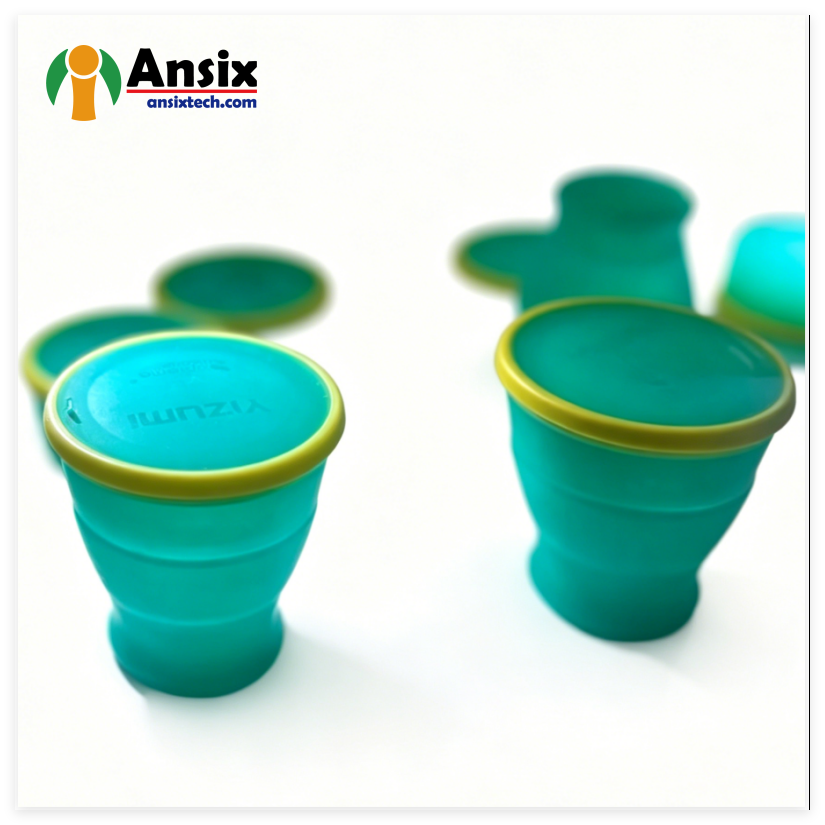


Negative pressure drainage bottle
Negative pressure drainage bottle

Engineering Excellence: How Ansix Tech's Integrated Molding Delivers Affordable Medical Innovation
SHENZHEN, China – In the high-stakes arena of medical device manufacturing, where reliability is non-negotiable and cost pressures are relentless, the production of a seemingly simple Negative Pressure Drainage Bottle (NPDB) presents a formidable engineering challenge. These critical devices, essential for post-surgical wound care, demand flawless clarity for fluid monitoring, precise biocompatibility, and absolute structural integrity under constant vacuum pressure. For over 28 years, Ansix Tech Limited has honed a unique, vertically integrated injection molding solution that is transforming how such devices are brought to market, systematically driving down costs while elevating quality and ensuring rapid delivery.
Moving beyond the role of a conventional supplier, Ansix Tech operates as a strategic engineering partner. The company manages the entire value chain—from initial polymer science and digital prototyping to precision tooling, validated mass production, and smart logistics—under one unified technical philosophy. For clients in the medical sector, this holistic approach translates into a powerful value proposition: significant reductions in total product cost, accelerated time-to-market by 30-50%, and guaranteed reliability that meets stringent international standards including ISO 13485 for medical devices.
The Foundation: Strategic Material Science for Medical Compliance
The journey of an NPDB at Ansix Tech begins at the molecular level. Material selection is not a mere catalog exercise but a foundational engineering discipline critical for both performance and cost. NPDBs require exceptional clarity, high impact strength, resistance to cracking under stress, and compliance with medical-grade biocompatibility standards.
Ansix Tech’s deep expertise in polymer science enables strategic, cost-conscious selection. While crystal-clear plastics like Polycarbonate (PC) or Polymethyl Methacrylate (PMMA) might be initial considerations for their optical properties, Ansix engineers often recommend high-clarity grades of Polypropylene (PP) or specific Copolyesters for many NPDB applications. These materials can offer a superior balance of chemical resistance (to bodily fluids), excellent toughness, and lower raw material cost, all while meeting sterilization requirements. The company’s capability extends to custom material formulation, allowing for the fine-tuning of properties such as melt flow index to optimize processability and reduce waste durinG Molding.
Table 1: Key Material Considerations for Negative Pressure Drainage Bottles

The Digital Blueprint: DFM and Mold Flow Analysis
With the material strategy defined, Ansix Tech employs a proactive digital engineering process to eliminate costly physical trial-and-error. The company adheres to a core manufacturing principle: approximately 70% of a product's total manufacturing cost is locked in during the design phase. To master this phase, they deploy rigorous Design for Manufacturability (DFM) analysis and advanced Mold Flow Analysis (MFA).
During DFM, engineers collaborate closely with the client to optimize the part geometry for molding. For an NPDB, this involves ensuring uniform wall thickness to prevent sink marks and warpage, incorporating adequate draft angles for clean ejection, and simplifying features to avoid complex, expensive mold actions. The goal is to design a part that is not only functional but also inherently cost-effective to produce at high volumes.
MFA takes this a critical step further. Using software like Autodesk Moldflow, engineers simulate the injection of the specific chosen plastic into the virtual mold cavity. This simulation predicts:
Filling Patterns: To ensure balanced flow and prevent air traps or weak weld lines, which are critical failure points under pressure.
Cooling Efficiency: To identify hotspots and optimize channel layout for uniform cooling, the single biggest factor in cycle time.
Gate Location: To determine the optimal point for plastic entry, minimizing cosmetic defects and internal stress.
This digital validation allows Ansix Tech to iterate and perfect the design and process virtually, slashing development time by 30% and virtually eliminating the risk of costly mold rework after steel is cut.
Precision Tooling: The Engine of Efficiency and Quality
The mold is the heart of the injection molding process, and for medical devices, its precision and durability are paramount. Ansix Tech’s mold manufacturing, capable of achieving tolerances of ±0.002mm, is specifically engineered for high-performance production.
Table 2: Critical Mold Systems for NPDB Production

Mold steel selection is strategic, balancing initial cost with total lifecycle value. For high-volume NPDB production, Ansix Tech typically employs pre-hardened steels like P20 for core and cavity inserts, offering an excellent balance of machinability, polishability, and durability. For components subject to high wear, more resistant steels like H13 are specified to ensure the mold reaches and exceeds its target production life, amortizing tooling costs over millions of cycles.
Mastering the Process: Optimization and Quality Assurance
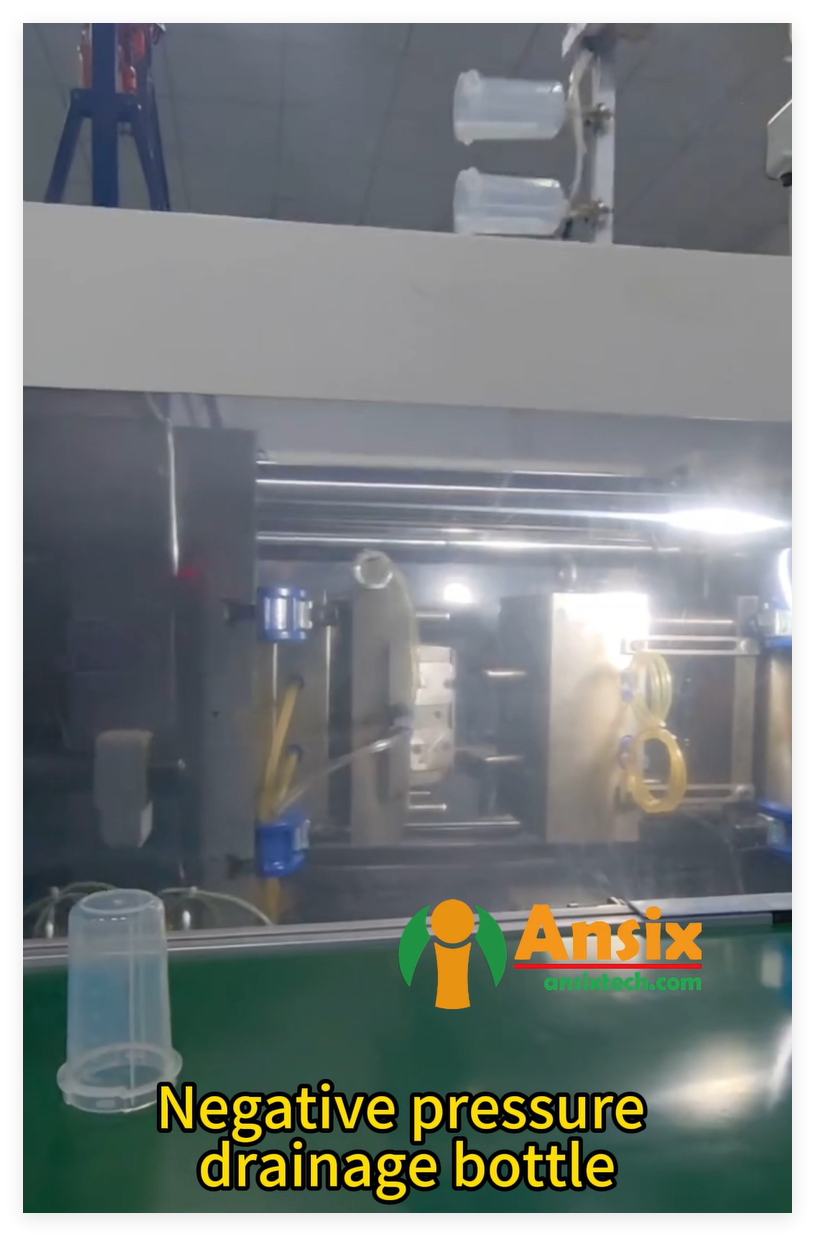
With the perfected mold mounted in one of Ansix Tech’s 260 injection molding machines (ranging from 30 to 2800 tons), the focus shifts to process mastery. The company’s production floors are equipped with machines specifically configured for precision and repeatability, featuring closed-loop servo systems and in-cavity pressure sensors.
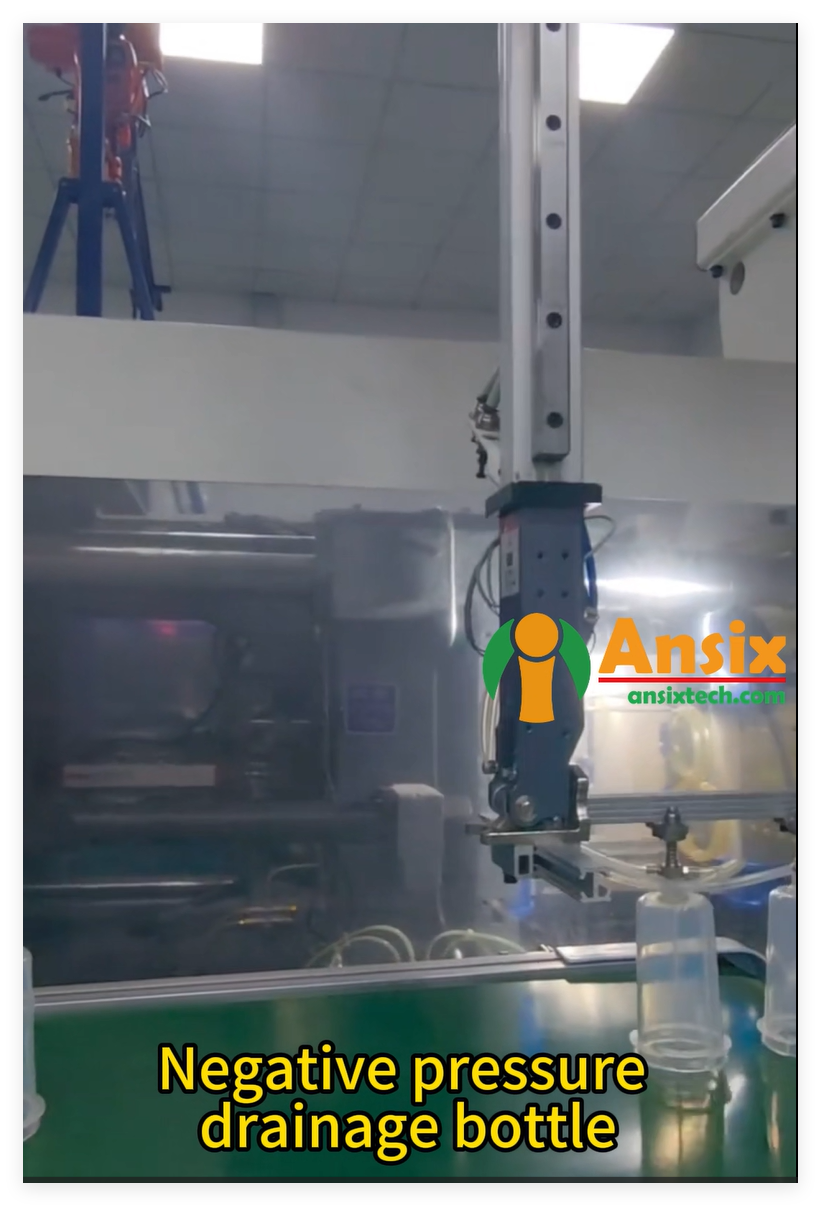
Process optimization is a relentless pursuit of efficiency. Cycle time reduction is a primary lever for cost savings. By leveraging conformal cooling and fine-tuning injection parameters—speed, pressure, temperature—Ansix Tech systematically drives down the time per part. A reduction in cooling time from 30 seconds to 25 seconds, for example, can boost output by 20%. This is complemented by robotic automation for consistent part handling, which reduces labor costs and minimizes human-induced variation or contamination—a critical factor in medical manufacturing.
Quality is not inspected in; it is built into the process. Ansix Tech employs Statistical Process Control (SPC), monitoring critical parameters in real-time. In-mold sensors provide a digital fingerprint for every shot, enabling immediate detection of any deviation from the established process window. This data-driven approach, part of a Total Quality Management (TQM) system, drives first-pass yield rates above 99%, virtually eliminating the massive costs associated with scrap, rework, and batch rejection.
The Tangible Outcome: A Framework for Radical Cost Reduction
Ansix Tech’s integrated model translates technical excellence into direct, quantifiable financial benefits for clients. The company’s cost-reduction framework attacks expense across multiple dimensions simultaneously.
Material Cost Reduction (5-15%): Achieved through strategic grade selection, custom formulation for optimal performance-per-cost, and precise shot control to minimize waste.
Process Cost Reduction (20%+ Higher Throughput): Achieved via cycle time optimization, energy-efficient servo-electric machines (reducing energy use by 30%), and high-cavitation mold designs that maximize output per cycle.
Tooling & Overhead Cost Reduction: Achieved through designs that simplify assembly (cutting assembly time by up to 40%), preventive mold maintenance, and high first-pass success rates that eliminate rework costs by 60-70%.
This multi-front strategy ensures that cost savings are engineered into the product from the outset, rather than being extracted through quality compromises. For a medical device OEM, this can mean the difference between a marginally profitable product line and a highly competitive one.
Conclusion: A Partnership for Market Success
In the final stage, Ansix Tech’s commitment extends to packaging and rapid delivery. Automated packaging lines and SMED (Single-Minute Exchange of Die) techniques minimize changeover times by 60%, ensuring swift transition from production to shipment. The entire workflow—from digital design to the loading dock—is lean and responsive, underpinning reliable delivery timelines that help clients meet their market commitments.
For over a quarter-century, Ansix Tech has demonstrated that in the demanding field of medical injection molding, the highest standards of quality and reliability are not at odds with aggressive cost management. Through a fully integrated, science-driven approach that encompasses material science, digital simulation, precision engineering, and intelligent manufacturing, Ansix Tech provides more than just components. It delivers certified reliability, accelerated innovation cycles, and a decisive economic advantage, empowering medical device companies to innovate with confidence and succeed in a competitive global marketplace




Ansix Tech Co Ltd
If you have any plans related to Negative pressure drainage bottle , you can contact us at any time. We will turn your ideas into reality, let you realize your dreams, and obtain large orders from the market. Our contact information is info@ansixtech.com. Or contact our CTO, mail: stephen@ansixtech.com
#www.ansixtech.com #ansixtech.com #Negative pressure drainage bottle #Ansix injection mould #Negative pressure drainage bottle factory #Negative pressure drainage bottle injection molding company #Negative pressure drainage bottle injection mold companies #Ansix #Ansix moulds #Ansix china #Ansix tech china #Ansix tech company #Ansix facotry #Ansix Tech #Ansix molds #Ansix injection molding #Ansix mold factory #injection molding Negative pressure drainage bottle #Ansix mold factory #Negative pressure drainage bottle china #Negative pressure drainage bottle molds #injection factory #Negative pressure drainage bottle injection molding #Negative pressure drainage bottle injection molding factory #injection molding company #Negative pressure drainage bottle injection mold companies #Negative pressure drainage bottle factory #Negative pressure drainage bottle mold limited #Ansix mold china #Ansix companies #Ansix company China #Negative pressure drainage bottle facotry #Ansix Tech #Ansix Tech mould #Negative pressure drainage bottle injection moulding #injection moulding company #Ansix Negative pressure drainage bottle parts injection mold companies #Negative pressure drainage bottle #Negative pressure drainage bottle china #Negative pressure drainage bottle china factory #Ansix moulding companies #Ansix molding company #Negative pressure drainage bottle injection moulding facotry #Ansix Tech mold #Negative pressure drainage bottle mould #Negative pressure drainage bottle plastic injection molding #ansix plastic mold #Mold manufacturing #Negative pressure drainage bottle parts manufacturing #Negative pressure drainage bottle plastic parts factory #Negative pressure drainage bottle injection parts mold #Negative pressure drainage bottle PRECISION MANUFACTURING #Negative pressure drainage bottle #China mold #Negative pressure drainage bottle injection moulding china #Negative pressure drainage bottle mould china #china precision mold #mold in china #Negative pressure drainage bottle mold china #Precision molds #High-precision molds #Negative pressure drainage bottle #Injection molds #Negative pressure drainage bottle Factory #Negative pressure drainage bottle Company #Super Large Injection Mold Factory #Large Tonnage Injection Molding Factory #Negative pressure drainage bottle Company #Negative pressure drainage bottle Factory #2800T Injection Molding Factory #3000 Ton Injection Molding #4500 Ton Injection Molding Factory #Large Mold Injection Molding #Large Plastic Mold Injection Molding Factory #Large Injection Mold Manufacturer #Plastic Mold Factory #Injection Mold #Plastic Mold