






Connector Housing Mold
FEATURES
- Connector Housing Mold
Connector precision mold is a high-precision mold used to manufacture connectors. A connector is a component used to connect electronic devices or circuits. The design and manufacture of connector precision molds is to achieve high-precision replication and mass production of connectors.
Mold design: Design the mold according to the design requirements and specifications of the connector. This includes determining the size, structure and materials of the mold, etc. Designers use computer-aided design (CAD) software to create 3D models to ensure the mold accurately replicates the connector’s shape and size.
Material preparation: According to the mold design requirements, select suitable high-strength and wear-resistant materials, The mold base is P20 and the mold core material is 2344H.and prepare the required materials.
Mold processing: According to the mold design drawings, use high-precision CNC machine tools or other processing equipment to process the mold. This includes precise cutting and forming to produce connector precision molds that meet the requirements. During the processing process, the quality of each step needs to be strictly controlled, and necessary inspections and adjustments must be made to ensure that the mold can meet the requirements of the connector.
Surface treatment: Connector precision molds usually require surface treatment to improve the wear resistance and service life of the mold. This includes surface coating, heat treatment and other treatment methods to enhance the surface hardness and corrosion resistance of the mold.
Mold trial and debugging: After completing the mold manufacturing, carry out mold trial and debugging. This is to ensure that the mold accurately replicates the shape and size of the connector. During the mold trial and debugging process, necessary adjustments and corrections need to be made to ensure that the mold can meet the requirements of the connector.
The manufacturing of connector precision molds requires highly precise processing equipment and technology to ensure the accuracy and quality of the molds. The manufacturing quality of connector precision molds directly affects the quality and performance of the connector. Therefore, the quality of each step needs to be strictly controlled during the mold manufacturing process, and necessary inspections and adjustments are made to ensure that the mold can meet the requirements of the connector.
Product Materials:
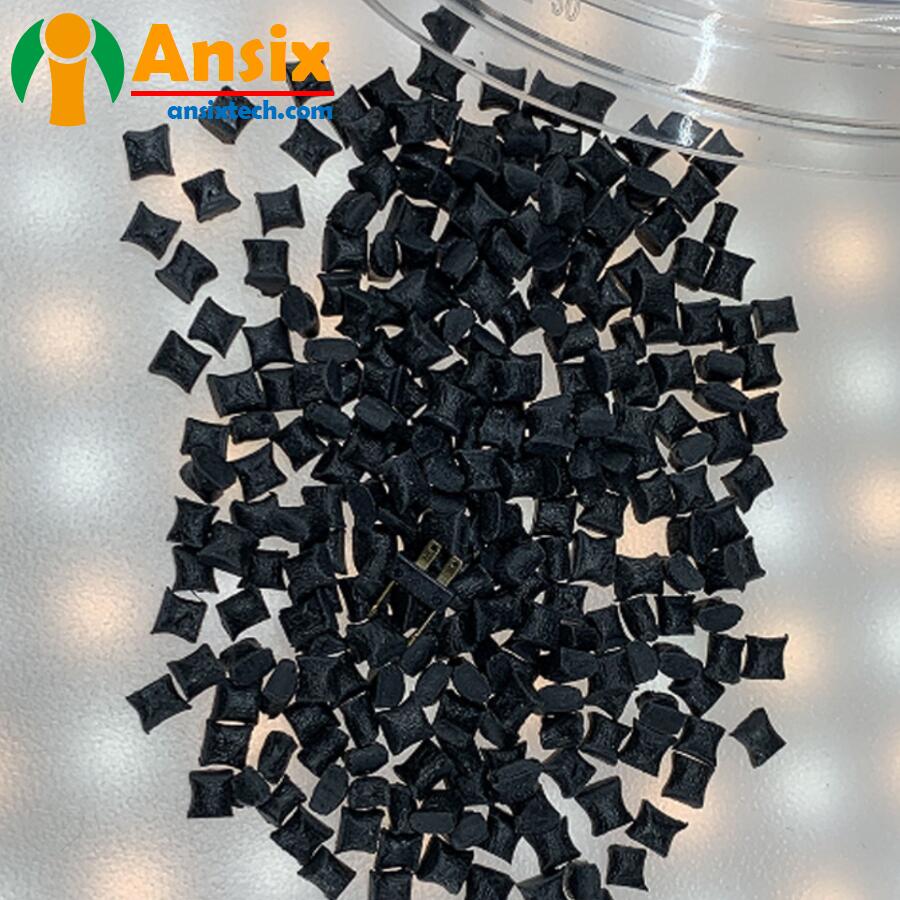
LCP E130I 30%GF
Mold Material:
2344H
Number of Cavities:
1*8
Glue Feeding Method:
Hot runner
Cooling Method:
Water cooling
Molding Cycle
10.5s
Connector precision mold DFM and NX mold design
DFM (Design for Manufacturability) of connector precision molds refers to taking into account the actual conditions of mold manufacturing and production during the design stage of connector precision molds to improve mold manufacturing efficiency and quality.
Material selection: In the design of connector precision molds, it is necessary to select suitable materials, taking into account factors such as the material’s processability, wear resistance, and corrosion resistance. Reasonable selection of materials can improve the processing efficiency and life of the mold.
Structural design: The structural design of the connector precision mold should take into account the processing and assembly process of the mold. Reasonable structural design can reduce processing procedures and assembly difficulties, and improve mold manufacturing efficiency.
Mold size and tolerance: The size and tolerance of the connector precision mold should meet the design requirements of the connector and take into account the tolerance requirements of mold processing and assembly. Reasonable size and tolerance design can reduce processing procedures and assembly adjustments and improve the manufacturing accuracy of molds.
Mold surface treatment: The surface treatment of the connector precision mold should take into account the wear resistance and corrosion resistance of the mold. Reasonable surface treatment can extend the service life and stability of the mold.
Mold cooling system: The cooling system design of connector precision molds should take into account the heat dissipation and cooling effect during mold processing. Reasonable cooling system design can improve the processing efficiency and quality of molds.
Through the consideration of DFM, the design of connector precision molds can be more in line with actual manufacturing and production requirements, improving the manufacturing efficiency, quality and stability of the molds. This helps reduce production costs, improve production efficiency, and ensure the performance and reliability of connector precision molds.
The design of connector precision mold:
The design of connector precision molds is a process that comprehensively considers factors such as connector shape, size, material, manufacturing process, and production efficiency. The following are some common connector precision mold design points:
Determine connector requirements: Understand the functional requirements of the connector, including connection methods, electrical performance, environmental requirements, etc. These requirements will directly affect the design of connector precision molds.
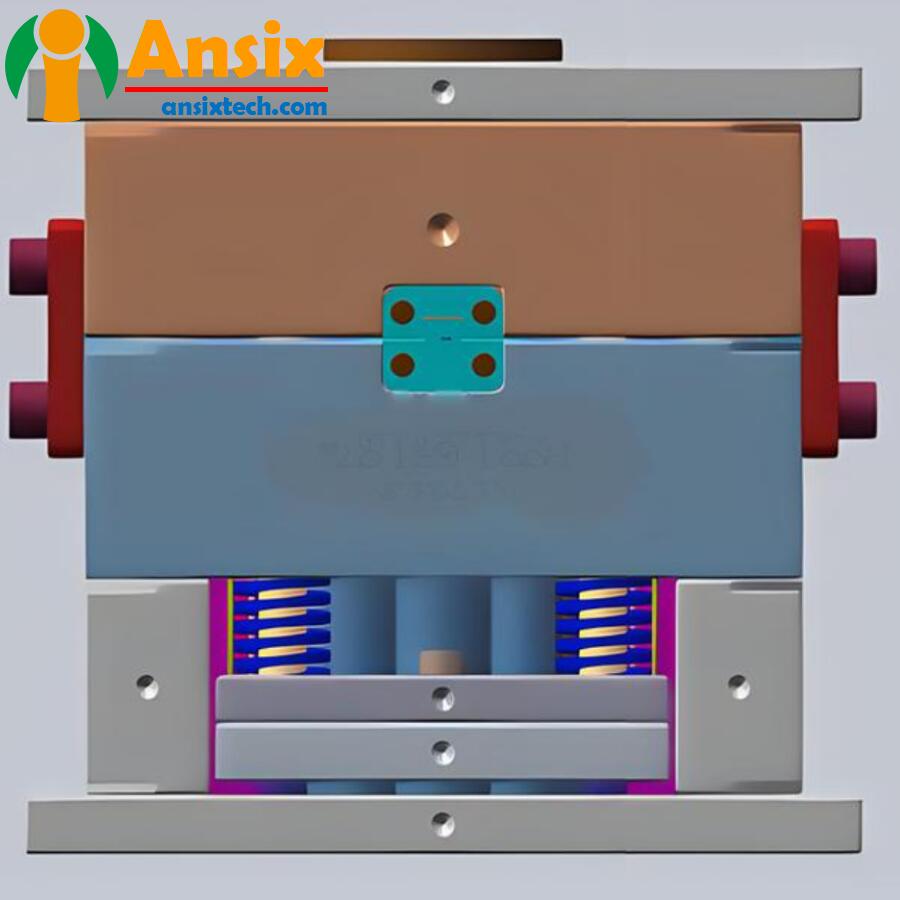
Mold structure design: Design the structure of the mold according to the shape and size of the connector. The mold structure should be reasonably laid out to facilitate processing and assembly, and be able to meet the functional requirements of the connector. For example, considering the internal space and connection port of the connector, design a suitable mold structure to ensure the normal use of the connector.
Material selection: Select suitable materials for the manufacturing of connector precision molds. The material should have sufficient strength, hardness and wear resistance to meet the usage requirements of the mold. At the same time, the processing performance of the material should also be taken into consideration to ensure the efficiency of mold manufacturing.
Cooling system design: Connector precision molds will generate a lot of heat during processing, so a suitable cooling system needs to be designed to control the temperature of the mold. The design of the cooling system should take into account the structure and processing technology of the mold to improve the processing efficiency and quality of the mold.
Surface treatment: Surface treatment of connector precision molds can improve the wear resistance and corrosion resistance of the mold. According to the use environment and requirements of the connector, select appropriate surface treatment methods, such as coating, heat treatment, etc., to enhance the surface hardness and durability of the mold.
Mold trial and debugging: After completing the design and manufacturing of the connector precision mold, carry out mold trial and debugging. Through mold trial and debugging, the design and manufacturing quality of the mold can be verified, ensuring that the mold can accurately replicate the shape and size of the connector.
The design of connector precision molds requires comprehensive consideration of the connector’s functional requirements, manufacturing process and production efficiency. Through reasonable design, the manufacturing efficiency, quality and stability of connector precision molds can be improved to meet the performance and reliability requirements of the connector.
The manufacturing content of connector precision molds:
Mold design: Design the mold according to the shape, size and functional requirements of the connector. This includes determining the structure, size and material of the mold, etc. Designers use computer-aided design (CAD) software to create 3D models to ensure the mold accurately replicates the connector’s shape and size.
Material preparation: According to the mold design requirements, select suitable materials for the manufacturing of connector precision molds. The material should have sufficient strength, hardness and wear resistance to meet the usage requirements of the mold.
Mold processing: According to the mold design drawings, use high-precision CNC machine tools or other processing equipment to process the mold. This includes precise cutting and forming to produce connector precision molds that meet the requirements. The quality of each step during the processing needs to be strictly controlled, and necessary inspections and adjustments are made to ensure that the mold can accurately replicate the shape and size of the connector.
Surface treatment: Connector precision molds usually require surface treatment to improve the wear resistance and corrosion resistance of the mold. This includes surface coatings, heat treatments and other treatments to enhance the surface hardness and durability of the mold.
Mold trial and debugging: After completing the mold manufacturing, carry out mold trial and debugging. This is to ensure that the mold accurately replicates the shape and size of the connector. During the mold trial and debugging process, necessary adjustments and corrections need to be made to ensure that the mold can meet the requirements of the connector.
Mold testing and verification: After completing the mold trial and debugging, conduct mold testing and verification. This includes using molds for connector production and checking whether the quality and performance of the connector meet requirements.
The above are the general contents of connector precision mold manufacturing. The specific manufacturing methods and steps may vary due to different connector design requirements. Manufacturing connector precision molds requires highly precise processing equipment and technology to ensure the accuracy and quality of the molds. The manufacturing quality of connector precision molds directly affects the quality and performance of the connector. Therefore, the quality of each step needs to be strictly controlled during the mold manufacturing process, and necessary inspections and adjustments are made to ensure that the mold can meet the requirements of the connector.
Connector mold injection molding
Connector mold injection molding production is a commonly used method of manufacturing connectors, which combines mold manufacturing and injection molding technology.
Mold preparation: First, prepare the connector mold, including the installation and debugging of the mold. Ensure that the structure and size of the mold meet the requirements of the connector, and perform necessary mold cleaning and maintenance.
Raw material preparation: Select suitable injection molding raw materials, usually thermoplastics, such as polyamide, polyimide, polyamide ester, etc. According to the requirements of the connector, determine the appropriate raw material type and formula, and perform pre-processing of the raw materials, such as drying and mixing.
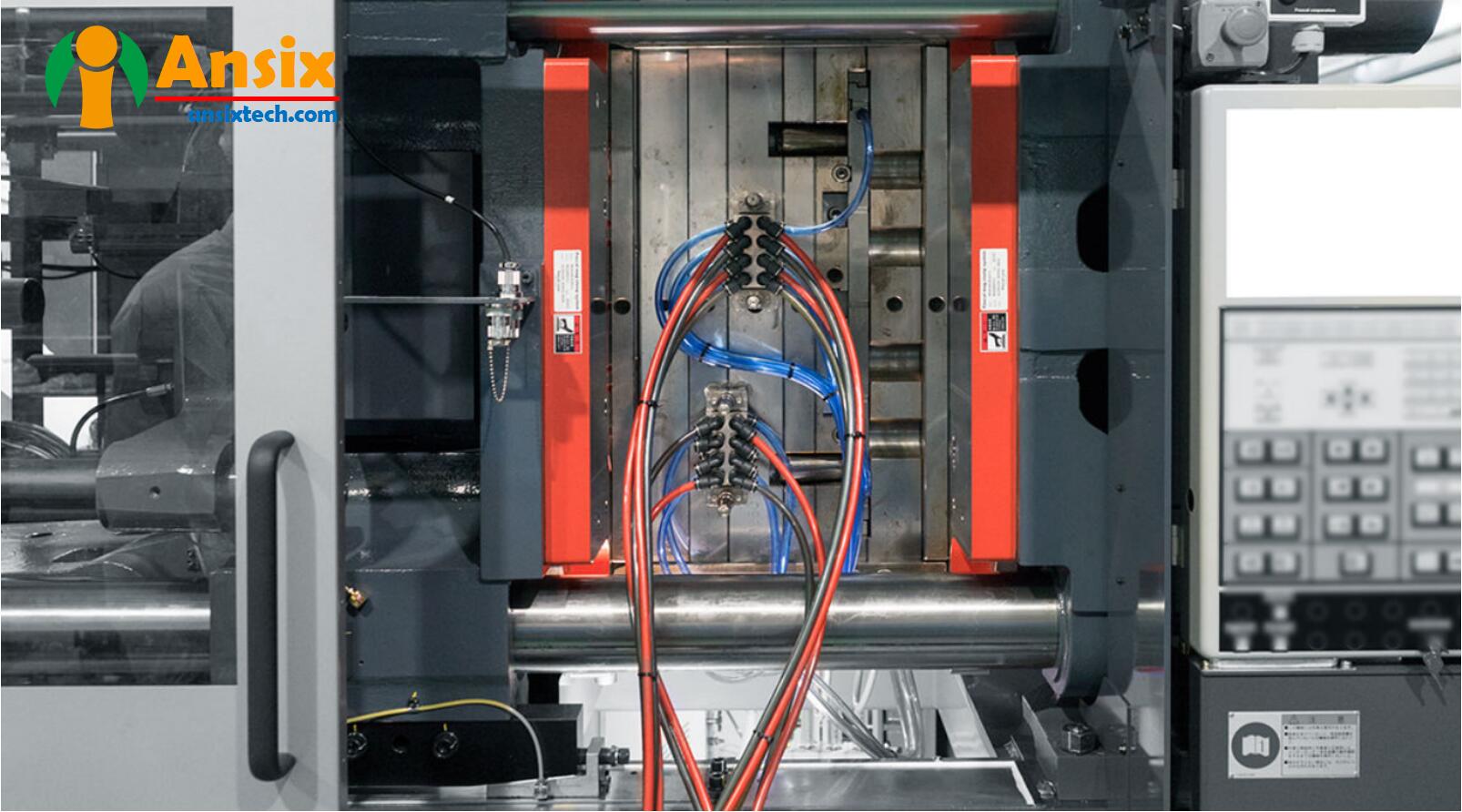
Injection molding: Install the connector mold onto the injection molding machine, heat and melt the injection molding raw materials. The molten plastic is then injected into the cavity of the mold, where pressure and cooling cause the plastic to solidify and solidify in the mold.
Mold opening and demoulding: After the plastic of the connector solidifies, the mold is opened and the connector is taken out of the mold. This may require the use of an ejector pin or other assistive device to aid in demolding.
Removal of remaining material and trimming: After the connector is demoulded, possible remaining material or flash edges need to be removed and trimmed and shaped to ensure that the appearance and size of the connector meet the requirements.
Inspection and testing: Inspection and testing of connectors, including appearance inspection, dimensional measurement, electrical performance testing, etc., to ensure that the quality and performance of the connector meet the requirements.
Packaging and shipment: After the connector passes the inspection, it will be packaged and prepared for shipment. Packaging should comply with transportation and storage requirements to ensure the safety and integrity of the connector.
Connector mold injection molding production requires experienced engineers and technicians to ensure the manufacturing quality of the mold and the effect of injection molding. The injection molding process enables efficient, large-scale connector production and produces connector products with consistency and precision. The manufacturing quality and precision of connector mold injection molding directly affect the quality and performance of the connector. Therefore, the quality of each step needs to be strictly controlled during the mold manufacturing and injection molding process, and necessary inspections and adjustments are made to ensure connector mold injection molding. The quality and performance meet the requirements.
Connector mold injection molding verification
Connector mold injection molding verification is an important step to ensure that the quality and performance of the connector during the connector mold injection molding production process meet the requirements.
Appearance inspection: Conduct an appearance inspection on the connector, including checking the surface finish, color, pattern, etc. of the connector. Make sure the connector has no obvious defects, scratches or deformations.
Dimensional measurement: Use appropriate measuring tools to measure the dimensions of the connector. Compare the measurement results with the specifications of the connector design drawing to ensure that the connector dimensions meet the requirements.
Electrical performance testing: Conduct electrical performance testing on the connector, including resistance, insulation resistance, current capacity, etc. Ensure that the electrical performance of the connector meets the design requirements of the connector.
Functional testing: Carry out corresponding functional testing according to the functional requirements of the connector. For example, for plug-in and pull-out connectors, perform plug-in and pull-out force tests; for waterproof connectors, perform waterproof performance tests, etc. Make sure the connector is functioning properly and reliably.
Durability test: Conduct a durability test on the connector to simulate the long-term use of the connector. For example, conduct plug-and-unplug times test, heat resistance test, cold resistance test, etc. Ensure that the connector maintains stable performance over long periods of use.
Reliability test: Conduct reliability test of the connector to simulate the use of the connector under various environmental conditions. For example, conduct vibration testing, impact testing, heat and humidity cycle testing, etc. Ensure connectors maintain stable performance in various environments.
The purpose of connector mold injection molding verification is to ensure that the quality and performance of the connector meet the requirements, and to verify the stability and reliability of the connector mold injection molding production process. Through verification, problems in the connector production process can be discovered and solved in time, and the consistency and reliability of the connector can be improved. The verification results can be used to adjust and improve the connector mold injection molding production process to further improve connector quality and performance.
The material selection for connector mold injection molding
The material selection for connector mold injection molding is very important, which directly affects the quality, performance and reliability of the connector.
Mechanical properties: Choose materials with sufficient strength and hardness to ensure that the connector can withstand a certain amount of force and pressure during use. Commonly used materials include polyamide, polyimide, polyamide ester, etc.
Heat resistance: Connectors may be affected by high temperature environments during use, so materials with good heat resistance need to be selected. This ensures that the connector will not deform or lose performance in high temperature environments. Commonly used heat-resistant materials include polyimide, polyamide ester, etc.
Corrosion resistance: Connectors may be exposed to various chemicals, so materials with good corrosion resistance need to be selected. This ensures that the connector will not be damaged in corrosive environments. Commonly used corrosion-resistant materials include polyamide, polyimide, polyamide ester, etc.
Insulation performance: Connectors play a role in connecting circuits in electronic equipment, so materials with good insulation properties need to be selected. This ensures the electrical performance of the connector is stable and reliable. Commonly used insulation materials include polyamide, polyimide, polyamide ester, etc.
Processing performance: Choose materials with good processing properties to facilitate injection molding processing of connector molds. The material should have good fluidity, plasticity and formability to ensure the accuracy of the size and shape of the connector. Commonly used materials with good processing properties include polyamide, polyimide, polyamide ester, etc.
Cost considerations: The cost of materials is also an important consideration. Based on the connector requirements and budget, select the appropriate material to balance performance and cost.The customer chose LCP materials for production of this project.
When selecting connector mold injection molding materials, you need to comprehensively consider the above factors and make a reasonable choice based on specific connector requirements and application scenarios. At the same time, communication and cooperation with material suppliers are also required to obtain detailed information on material performance and suitability.
Connector mold injection molding mass production delivery
Connector mold injection molding mass production delivery refers to the realization of large-scale connector production and delivery through efficient production processes and management control during the connector mold injection molding production process.
Production plan and schedule: Develop production plan and schedule based on order demand and production capacity. Determine key information such as production quantities, delivery times and production batches.
Raw material procurement and preparation: According to the production plan, purchase and prepare injection molding raw materials. Ensure adequate supply of raw materials and conduct necessary raw material inspection and quality control.
Mold preparation and debugging: Ensure that the preparation and debugging of the connector mold is completed. Including mold installation, adjustment and testing to ensure the normal operation and stability of the mold.
Injection molding production: Carry out injection molding production of connectors according to the production plan. Molten plastic is injected into the mold through an injection molding machine for shaping and solidification. Injection molding parameters and quality need to be strictly controlled during the injection molding production process to ensure the consistency and quality of the connector.
Inspection and testing: Inspection and testing of connectors produced by injection molding, including appearance inspection, dimensional measurement, electrical performance testing, etc. Ensure connector quality and performance meet requirements.
Packaging and shipment: Pack the qualified connectors and prepare them for shipment. Packaging should comply with transportation and storage requirements to ensure the safety and integrity of the connector.
Quality control and records: Quality control and records are carried out throughout the entire production process. Including raw material quality control, production process monitoring, product inspection records, etc. Ensure the stability and traceability of the production process.
Delivery and after-sales service: timely delivery of connector products according to order requirements. Provide necessary after-sales service and support to ensure customer satisfaction.
Connector mold injection molding mass production delivery requires efficient production management and quality control to ensure connector quality and delivery time. Through reasonable production planning and process optimization, production efficiency and capacity can be improved, and large-scale connector production and delivery can be achieved. At the same time, the implementation of quality control and records can ensure connector consistency and traceability, improving customer satisfaction and trust.
AnsixTech Manufacturing capacity
AnsixTech has 4 production bases in China and Vietnam. We have a total of 260 injection molding machines. The tonnage of injection molding machines ranges from the smallest 30 tons to 2800 tons. The main injection molding machines include Japan's Fanuc, Sumitomo, Toshiba, Nissei, and Germany's Arburg (mainly liquid silicone injection molding, mainly two component). China has Haitian and Victor Taichung Machinery, etc.
AnsixTech is mainly engaged in the fields of medical equipment, automotive interior molds, automotive interior decoration (INS/TOM/DOD), household appliances, daily necessities, kitchenware series, 3C, consumer electronics, industrial control appliances, maternal and infant products, etc.
Advanced equipment: AnsixTech factory has advanced injection molding equipment, mold manufacturing equipment and processing equipment. our use the latest technology and equipment to ensure efficiency and quality of the production process.
Production capacity: AnsixTech factory has strong production capacity and can meet customers’ mass production needs. our have efficient production lines and processes that enable them to quickly respond to customer orders and deliver on time.
Quality Control: AnsixTech factory attaches great importance to quality control.our have a strict quality management system, including quality control and inspection from raw material procurement to production process. our use advanced testing equipment and methods to ensure that the quality of their products meets customer requirements and standards.
Technical team: AnsixTech factory has a professional technical team, including engineers, technicians and quality control personnel. our have rich experience and professional knowledge and can provide technical support and solutions to ensure the smooth progress of the production process and the quality of the products.
Environmental management: AnsixTech factory focuses on environmental protection and sustainable development. our comply with environmental regulations and standards and take steps to reduce their impact on the environment, such as waste disposal and energy management.
Supply chain management: AnsixTech factory has good supply chain management capabilities. our have established long-term cooperative relationships with reliable suppliers to ensure the quality of raw materials and the stability of supply. our also work with logistics companies to ensure timely delivery of products and efficient logistics.
Innovation capability: AnsixTech factory focuses on innovation and technological progress. our continuously research and develop new materials, processes and technologies to provide better products and solutions. our actively participate in industry seminars and exhibitions, communicate and share experiences with experts in the same industry, and continuously improve their innovation capabilities and competitiveness.
AnsixTech factory relies on its advanced equipment, strong production capacity, strict quality control, professional technical team, environmental management, supply chain management and innovation capabilities to provide customers with high-quality, efficient and reliable products and services. Serve. They are committed to working with customers to jointly promote the development and progress of the industry.
Why Choose AnsixTech Custom Plastic Injection Services?
AnsixTech has four production bases in China and Vietnam. We have a total of 260 injection molding machines. The tonnage of injection molding machines ranges from the smallest 30 tons to 2800 tons. The main injection molding machines include Japan's Fanuc, Sumitomo, Toshiba, Nissei, and Germany's Arburg (mainly liquid silicone injection molding, mainly two component). China has Haitian and Victor Taichung Machinery, etc.
AnsixTech is mainly engaged in the fields of medical equipment, automotive interior molds, automotive interior decoration (INS/TOM/DOD), household appliances, daily necessities, kitchenware series, 3C, consumer electronics, industrial control appliances, maternal and infant products, etc.
Advanced equipment: AnsixTech factory has advanced injection molding equipment, mold manufacturing equipment and processing equipment. our use the latest technology and equipment to ensure efficiency and quality of the production process.
Production capacity: AnsixTech factory has strong production capacity and can meet customers’ mass production needs. our have efficient production lines and processes that enable them to quickly respond to customer orders and deliver on time.
Quality Control: AnsixTech factory attaches great importance to quality control.our have a strict quality management system, including quality control and inspection from raw material procurement to production process. our use advanced testing equipment and methods to ensure that the quality of their products meets customer requirements and standards.
Technical team: AnsixTech factory has a professional technical team, including engineers, technicians and quality control personnel. our have rich experience and professional knowledge and can provide technical support and solutions to ensure the smooth progress of the production process and the quality of the products.
Environmental management: AnsixTech factory focuses on environmental protection and sustainable development. our comply with environmental regulations and standards and take steps to reduce their impact on the environment, such as waste disposal and energy management.
Supply chain management: AnsixTech factory has good supply chain management capabilities. our have established long-term cooperative relationships with reliable suppliers to ensure the quality of raw materials and the stability of supply. our also work with logistics companies to ensure timely delivery of products and efficient logistics.
Innovation capability: AnsixTech factory focuses on innovation and technological progress. our continuously research and develop new materials, processes and technologies to provide better products and solutions. our actively participate in industry seminars and exhibitions, communicate and share experiences with experts in the same industry, and continuously improve their innovation capabilities and competitiveness.
AnsixTech factory relies on its advanced equipment, strong production capacity, strict quality control, professional technical team, environmental management, supply chain management and innovation capabilities to provide customers with high-quality, efficient and reliable products and services. Serve. They are committed to working with customers to jointly promote the development and progress of the industry.
Professional experience: AnsixTech has many years of experience in precision plastic injection services and is very familiar with the needs and standards of the control industry. our are able to provide high-quality injection services and ensure product safety and reliability.
Advanced equipment: AnsixTech has advanced injection equipment and technology, which can meet various complex injection needs. our constantly update their equipment and technology to ensure they can provide the latest solutions.
Quality control: We have the international medical certification ISO9001/ISO13485/IATF16949 system, and have obtained an ISO 8 Cleanroom and GMP, which complies with the US medical grade FDA510K standard, and strictly implements it in accordance with the standards.AnsixTech focuses on quality control, and they adopt a strict quality management system to ensure that each product meets relevant standards and requirements. our conduct rigorous inspection and testing to ensure product quality and performance.
AnsixTech can effectively control costs and improve the company’s competitiveness and profitability. our focus on supply chain management, production process optimization, energy and resource conservation, overhead control and quality management to reduce costs in many aspects.
Customer customization: AnsixTech can provide customized injection services according to customer needs. our work closely with customers to understand their needs and requirements and provide solutions accordingly.
Quality service: AnsixTech focuses on customer service, they provide timely and professional technical support to ensure customer satisfaction. our are able to respond quickly to customer needs and provide solutions.
Choosing AnsixTech plastic injection services can provide you with professional experience, advanced equipment, high-quality services and customized solutions to ensure product quality and performance.
Cost control:
1.Supply chain management: AnsixTech establishes long-term cooperative relationships with suppliers and conducts effective supply chain management. our negotiate with suppliers for better prices and preferential terms, thereby reducing the purchase cost of raw materials and equipment. In addition, our regularly evaluate supplier performance to ensure the stability and efficiency of the supply chain.
2.Production process optimization: AnsixTech improves production efficiency and reduces production costs by optimizing the production process. our reduce labor and time costs through refined management and automated equipment. our also regularly evaluate and improve production processes to increase efficiency and reduce costs.
3.Save energy and resources: AnsixTech focuses on saving energy and resource use, and reduces the waste of energy and resources through the use of efficient equipment and processes. our have also adopted recycling and reuse measures to reduce the cost of waste disposal. In addition, our regularly evaluate and improve energy and resource usage to further reduce costs.
4.Management expense control: AnsixTech reduces management expenses through refined management and control of various expenses. They conduct strict budgeting and monitoring of various expenses to ensure the rationality and effectiveness of expenses. our also regularly evaluate and optimize overhead expenses to further reduce costs.
5.Quality management: AnsixTech focuses on quality management and reduces the cost of after-sales service and returns by improving product quality and reducing the rate of defective products. our conduct strict quality control and testing to ensure that products meet standards and requirements. our also regularly evaluate and improve quality management to further reduce costs.
AnsixTech Precision Plastic Injection Molding Quality Assurance
AnsixTech factories have strict quality assurance measures in plastic injection molding to ensure product quality and safety. The following are the AnsixTech factory’s measures for quality assurance in plastic injection molding:
Material selection: AnsixTech factories use high-quality plastic materials, which comply with the standards and requirements of the international industry. The factory will conduct strict testing and screening of raw materials to ensure the quality and reliability of the materials.
Process control: The factory has an experienced team of process engineers who will strictly control and optimize the injection molding process parameters. The factory will use advanced injection molding equipment and technology to ensure the dimensional accuracy, surface quality and structural integrity of the product.
Quality inspection: AnsixTech factory has complete quality inspection equipment and processes. The factory will conduct comprehensive quality inspections on the injection molding process, including dimensional measurement, appearance inspection, physical performance testing, etc. The factory also conducts batch sampling inspections to ensure product consistency and reliability.
Quality management system: We have the international medical certification ISO9001/ISO13485/IATF16949 system, and have obtained an ISO 8 Cleanroom and GMP standard, which complies with the US medical grade FDA510K standard, and strictly implements it in accordance with the standards. The factory conducts internal audits and external certifications to ensure the effectiveness and continuous improvement of the quality management system.
Compliance: AnsixTech factories follow relevant regulations and standards, such as ISO9001/ISO13485/IATF16949 system requirements and other international medical industry standards. The factory will ensure product compliance, including the biocompatibility of materials, product safety and reliability, etc.
AnsixTech factories have strict quality assurance measures in plastic injection molding to ensure product quality, safety and compliance. The factory is committed to providing high-quality precision plastic injection molding products to meet the needs of customers and the market.
AnsixTech Custom Mold and Injection Molding Process
Demand analysis: AnsixTech communicates with customers to understand their needs and requirements. our discuss the details of medical device functionality, design requirements, material selection, etc. with customers to ensure an accurate understanding of customer needs.
Design and mold making: AnsixTech’s engineering team designs and molds medical devices based on customer needs and requirements. our use CAD and other design software for 3D modeling and mold design of products. During the design process, our take into account factors such as the structure, function, and injection molding process of the medical device.
Material selection: AnsixTech selects appropriate medical-grade plastic materials based on the requirements of the medical device and the use environment. our consider the material’s high temperature resistance, corrosion resistance, biocompatibility and other properties to ensure the safety and reliability of the material.
Injection molding process: AnsixTech formulates an injection molding process plan based on the design and mold production of medical devices. our take into account parameters such as injection temperature, injection pressure, and injection speed to ensure that the injection molding process of medical devices is stable and the quality is controllable.
Quality control: AnsixTech conducts strict quality control throughout the entire injection molding process. our monitor and inspect the injection molding process to ensure that the dimensional accuracy, appearance quality and functional performance of the product meet the requirements. our also conduct product reliability testing and verification to ensure product safety and reliability.
AnsixTech can provide customized medical device injection molding process services. our work closely with customers to conduct demand analysis, design and mold making, material selection, injection molding process formulation and quality control according to customer needs to ensure the provision of high-quality medical device products that meet customer requirements.
1.AnsixTech Project Initiation Phase
Project definition: AnsixTech works with the client to clarify the goals, scope and deliverables of the project. our discuss project requirements, timelines, budgets and other key elements with clients to ensure a shared understanding of the project.
Demand analysis: AnsixTech communicates in depth with customers to understand their specific needs and expectations. our collect and organize relevant information and analyze and evaluate the technical, commercial and risk elements of the project. our work with clients to discuss and clarify requirements, ensuring an accurate understanding of project requirements.
Project plan: AnsixTech develops a detailed project plan, including the project’s tasks, milestones, resource allocation and schedule. our consider the complexity, risks, and dependencies of the project to develop a reasonable plan and timeline. our share the project plan with the client to ensure a mutual understanding of project progress and delivery timelines.
Team formation: AnsixTech forms a team that suits the project needs, including engineers, designers, technical experts, etc. our select appropriate team members based on the project’s technical requirements and resource availability. our ensure that team members have the required skills and experience to ensure a smooth project.
Risk management: AnsixTech conducts risk assessment and management to identify risks and obstacles that the project may face. They formulate corresponding risk response strategies and establish risk monitoring and control mechanisms. our share risk assessments and management plans with clients to ensure a shared understanding of project risks and consistent responses.
AnsixTech can establish project goals, clarify requirements, formulate plans, build teams and manage risks during the project initiation phase. These steps lay the foundation for the smooth progress of the project and provide guidance and support for subsequent project execution.
2.AnsixTech Design and Development Phase
Concept design: AnsixTech works with customers on conceptual design and proposes innovative design solutions based on project needs and goals. our conduct market research and competitive analysis to understand industry trends and user needs to ensure the market feasibility and user experience of design solutions.
Detailed design: AnsixTech transforms conceptual design into detailed design, including detailed planning of the product’s structure, function, appearance and material selection. our use CAD and other design software to conduct 3D modeling of products and produce engineering drawings. our conduct design reviews and validations with clients to ensure that design solutions meet client needs and requirements.
Engineering development: AnsixTech conducts engineering development, including mold making, raw material procurement and process flow formulation. our work with suppliers to ensure that mold making and raw material supply meet quality and time requirements. our perform process validation and sample production to ensure product manufacturability and quality control.
Prototyping: AnsixTech produces prototypes of products to verify the feasibility and functional performance of the design. our use rapid prototyping technologies such as 3D printing to create prototypes for functional testing and user evaluation. our evaluate prototypes with customers, gather feedback, and make necessary modifications and improvements.
Testing and verification: AnsixTech conducts product testing and verification, including performance testing, reliability testing, and safety assessment. our use professional testing equipment and methods to ensure that products comply with relevant standards and requirements. our work with customers to perform testing and validation to ensure the quality and performance of the product meets customer expectations.
AnsixTech can transform concepts into specific design solutions during the design and development phase, and conduct engineering development, prototyping, testing and verification. These steps provide the basis for subsequent product manufacturing and market readiness, and ensure that the design and performance of the product meet customer needs and market requirements.
3.AnsixTech Mold Manufacturing and Trial Phase
Mold design confirmation: AnsixTech will hand over the detailed designed mold drawings to the mold manufacturer for manufacturing. Our mold engineers will confirm with the customer to ensure that the design and manufacturing of molds meet project needs and requirements.
Mold manufacturing: the mold design drawings provided by AnsixTech, our use advanced processing equipment and techniques to manufacture high-quality molds. AnsixTech maintains close cooperation with customer to monitor the progress and quality of mold manufacturing.
Mold trial and debugging: After the mold manufacturing is completed, AnsixTech conducts mold trial and debugging. our install the mold on the injection molding machine and conduct trial molding operations. our adjust the parameters of the injection molding machine, such as temperature, pressure and speed, to ensure the normal operation of the mold and the quality of the product.
Product sample production: During the mold trial and debugging process, AnsixTech produces product samples. our use appropriate raw materials and processes to produce product samples through injection molding. our inspect and test samples to ensure that the product’s dimensional accuracy, appearance quality and functional performance meet the requirements.
Optimization and improvement: AnsixTech will optimize and improve based on the results of mold trial debugging and product sample production. Based on the problems discovered during the mold trial and customer feedback, they adjust and improve the mold and injection molding process to improve product quality and production efficiency.
AnsixTech can ensure that the mold manufacturing and mold trial process proceeds smoothly and obtain product samples that meet the requirements. our work with customer to monitor the quality and progress of mold manufacturing. our conduct trial mold debugging and product sample production to verify the performance of the mold and the quality of the product. our also perform optimizations and improvements to increase the efficiency and quality of molds and injection molding processes.
4.AnsixTech Sample Confirmation Phase
Sample production: Based on the results of mold trial and debugging, AnsixTech produces product samples. our use appropriate raw materials and processes to produce samples by injection molding. our ensure that the sample’s dimensional accuracy, appearance quality and functional performance meet requirements.
Sample inspection and testing: AnsixTech inspects and tests samples to ensure their quality and performance meet customer requirements. our conduct visual inspection, dimensional measurement, functional testing, etc. to verify the quality and reliability of the samples.
Customer confirmation: AnsixTech will submit the sample to the customer for confirmation. our evaluate samples with customers and collect customer feedback and suggestions. They discuss the quality, appearance, functionality and other aspects of the sample with the customer to ensure customer satisfaction with the sample.
Modifications and improvements: Based on customer feedback, AnsixTech will modify and improve the samples. our adjust the design, materials or workmanship of the samples according to the customer’s requirements to meet the customer’s needs and expectations.
Final confirmation: After modification and improvement, AnsixTech will submit the final sample to the customer for final confirmation. Together with the customer, our evaluate the final sample to ensure its quality and performance meet the customer’s requirements. Once the customer confirms that the sample is correct, AnsixTech will move to the next stage, such as mass production or market preparation.
AnsixTech can ensure that the quality and performance of the sample meet customer requirements. our work with customers to gather feedback and make revisions and improvements to ensure satisfaction with the final sample. The goal of this stage is to obtain final confirmation from customers and lay the foundation for subsequent production or launch preparation.
5.AnsixTech Mass Production Preparation Phase
Production plan formulation: AnsixTech formulates detailed production plans, including production volume, production schedule, resource allocation, etc. our take into account the needs of the project, market demand and customer requirements to formulate reasonable production plans.
Supply chain management: AnsixTech works closely with suppliers to ensure that the supply of raw materials and parts can meet production needs. our communicate and coordinate with suppliers to ensure supply chain stability and efficiency.
Production equipment preparation: AnsixTech ensures the preparation and commissioning of production equipment. our inspect and maintain production equipment to ensure its proper operation and productivity. our also perform debugging and testing of equipment to ensure its performance and stability.
Production process optimization: AnsixTech optimizes and improves the production process to improve production efficiency and product quality. our take into account all aspects of the production process, such as injection molding process, assembly process, etc., to optimize and improve it to improve production efficiency and reduce costs.
Quality control: AnsixTech conducts strict quality control to ensure that the quality and performance of the products meet the requirements. our formulate quality control plans and testing standards, and conduct product sampling inspections and functional tests. our also establish quality records and traceability systems to ensure that the quality of products is traceable and controllable.
Production training: AnsixTech provides training to production personnel to ensure that they are familiar with the production process and operating procedures. our train production personnel in skills and knowledge, improving their production capabilities and quality awareness.
AnsixTech can prepare for mass production. our formulate production plans, manage supply chains, prepare production equipment, optimize production processes, conduct quality control and train production personnel to ensure smooth production and controllable product quality. The goal of this stage is to prepare for mass production to meet market demand and customer requirements.
6.AnsixTech Mass Production Phase
Production plan execution: AnsixTech executes production tasks according to the established production plan. our arrange production personnel, equipment and raw materials according to the production plan to ensure production progress and full utilization of production capacity.
Production monitoring and adjustment: AnsixTech conducts production monitoring and monitors key indicators and parameters during the production process. our use production data and quality indicators for real-time monitoring to promptly discover and solve problems in production. our make adjustments and optimizations based on monitoring results to improve production efficiency and product quality.
Quality control: AnsixTech conducts strict quality control to ensure that the quality and performance of the products meet the requirements. our implement quality control plans, conduct sampling inspections and functional tests of products. our also perform process control, monitoring key aspects of the production process to ensure product consistency and stability.
Supply chain management: AnsixTech maintains close cooperation with suppliers to ensure that the supply of raw materials and components can meet production needs. our coordinate and communicate with suppliers to promptly resolve issues and risks in the supply chain.
Improvement of production efficiency: AnsixTech continuously optimizes production processes and processes to improve production efficiency and reduce costs. our find and implement improvement measures, such as the introduction of automated equipment, optimization of process parameters, etc., to improve production efficiency and quality.
Quality records and traceability: AnsixTech has established a quality record and traceability system to record key data and quality information during the production process. our ensure the quality of products is traceable and controllable to meet customer and regulatory agency requirements.
AnsixTech can achieve the goal of mass production, ensure production progress and full utilization of production capacity, and ensure that product quality and performance meet requirements. our perform production plan execution, production monitoring and adjustment, quality control, supply chain management, production efficiency improvement, and quality recording and traceability to ensure smooth production and controllable product quality.
7.AnsixTech Delivery and After-sales Phase
Product delivery: AnsixTech will deliver the completed products according to customer requirements. our ensure that products are packaged and shipped in compliance with standards and requirements to ensure product safety and integrity.
Installation and debugging: If necessary, AnsixTech will send technicians to the customer’s site to install and debug the product. our ensure the correct installation and proper functioning of products to meet customer needs and requirements.
Training and technical support: AnsixTech provides product training and technical support to help customers use and maintain products correctly. our train customers’ operators, provide product manuals and technical documents, and answer customers’ technical questions and queries.
After-sales service: AnsixTech provides comprehensive after-sales service, including product warranty, repair and replacement, etc. our have established an after-sales service system to ensure that customers’ problems during the use of products can be solved and dealt with in a timely manner.
Customer feedback and improvements: AnsixTech values customer feedback and suggestions to continuously improve products and services. our maintain communication with customers, collect customer feedback and needs, and carry out product improvements and upgrades to improve customer satisfaction and product competitiveness.
AnsixTech can ensure the quality and effectiveness of product delivery and after-sales service. our provide installation and commissioning, training and technical support, after-sales service, etc. to meet customer needs and requirements. our maintain close communication and cooperation with customers and continuously improve products and services to improve customer satisfaction and brand image.
If you have any questions about products in the mold and injection molding field, please send us a message(Email: info@ansixtech.com ) at any time and our team will reply to you within 12 hours.
contact us
ISO 13485 Certified factory
ISO 8 Cleanroom
Robust Expertise for Medical Injection Molding
Advanced mold manufacturing capabilities and plastic injection molding equipment
Quick Response within 12 hours
- If you have any questions about products in the medical field, please send us a message(Email: info@ansixtech.com ) at any time and our team will reply to you within 12 hours.