

News



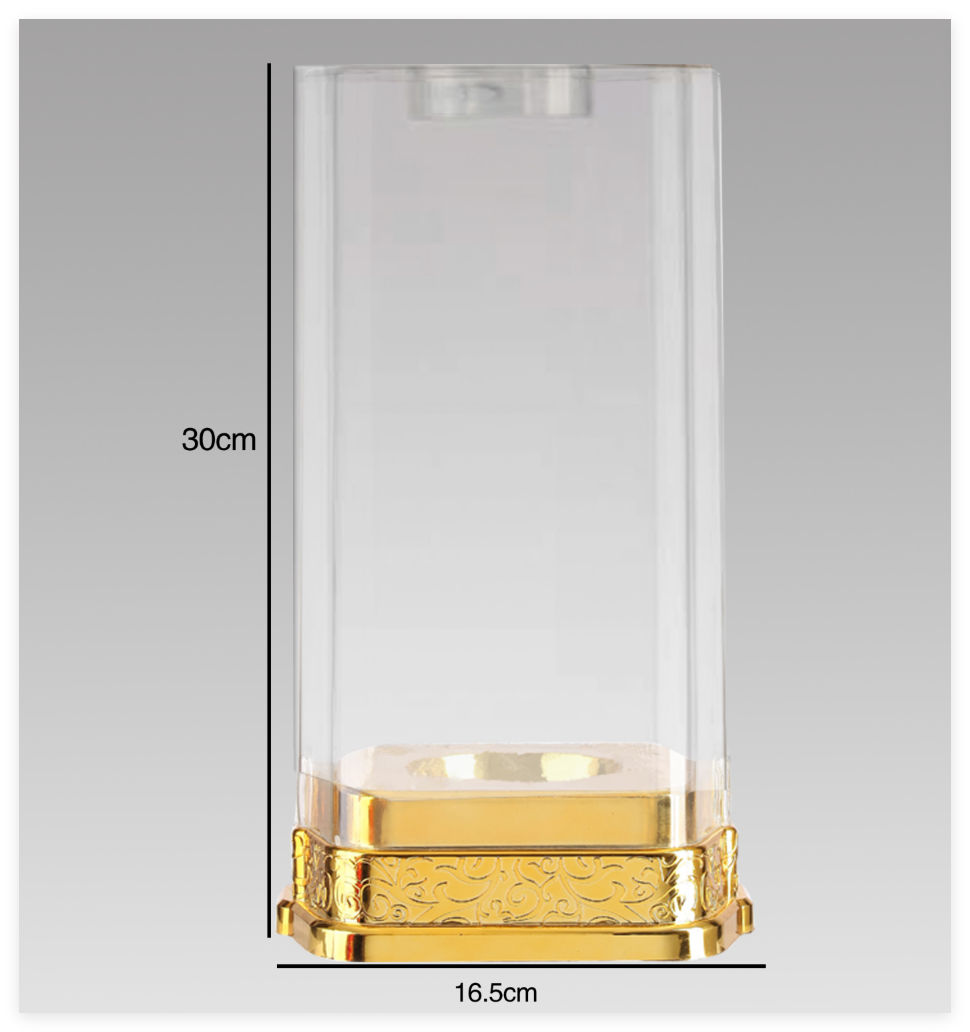
Acrylic PET transparent wine box mold
Precision in Transparency: Ansix Tech Masters the Art of Acrylic PET Wine Box Mold Manufacturing
Shenzhen, China – In the competitive world of high-end packaging, where presentation is paramount, the demand for crystal-clear, structurally sound wine boxes is surging. At the intersection of art and engineering, injection molding specialists are tasked with a formidable challenge: creating large, flawless transparent components that are both beautiful and functional. Leading this charge is Ansix Tech, a company that has recently set a new industry benchmark with the successful delivery of a complex Acrylic PET (Polyethylene Terephthalate) transparent wine box mold project. This achievement is not merely a manufacturing success; it is a testament to how deep technical expertise, from material science to process optimization, can be harnessed to deliver uncompromising quality while significantly driving down unit costs for clients.

Automotive instrument panel bracket mold
Engineering Excellence: Inside Ansix Tech's Precision-Driven Process for Automotive Instrument Panel Brackets
In the high-stakes arena of automotive manufacturing, where safety, cost, and comfort converge, the instrument panel bracket stands as a critical yet often overlooked component. More than just a structural support, this single part is the foundational skeleton upon which the entire dashboard—airbags, infotainment systems, climate controls, and critical wiring—is assembled. For Ansix Tech, a leader in precision injection molding, mastering the manufacture of these complex molds is not just a technical challenge; it is a commitment to delivering uncompromising reliability and significant cost savings to its global automotive partners. This article delves into the meticulous, multi-phase process Ansix Tech employs, revealing how advanced engineering and strategic optimization transform raw polymer and steel into a component that meets the automotive industry's most rigorous demands.

Wheel arch trimfender flare anti-scratch strip mold
Forging Precision: Inside Ansix Tech’s Engineering Triumph in Delivering the Wheel Arch Trim Fender Flare Anti-Scratch Strip Mold
In the high-stakes, precision-driven world of automotive injection molding, the success of a project is often measured in microns, minutes, and margins. A critical yet often overlooked component—the Wheel Arch Trim Fender Flare Anti-Scratch Strip—serves as a frontline defense against road debris, UV degradation, and minor abrasions, directly impacting a vehicle’s longevity and aesthetic appeal. The mold that produces this part is not merely a tool; it is the genesis of quality, efficiency, and value.

Automotive radar bracket protective cover mold
Precision in Motion: How Ansix Tech Engineers Reliability and Drives Down Costs in Critical Automotive Molding
FOR IMMEDIATE RELEASE
Dongguan, China – In the high-stakes arena of modern automotive manufacturing, where advanced driver-assistance systems (ADAS) are no longer luxuries but standard expectations, the reliability of every component is paramount. At the heart of these life-saving systems lies the automotive radar, the electronic eye guiding adaptive cruise control, blind-spot detection, and autonomous emergency braking. Shielding this sensitive hardware is a component whose simplicity is deceptive: the radar bracket protective cover. Its manufacture is a symphony of precision engineering, material science, and process control. For one global Tier-1 automotive supplier, the quest for a flawless, cost-effective mold for this critical part led to Ansix Tech, a specialist in high-precision injection molding. This is the story of that project—a deep dive into how expertise transforms design into durable, affordable reality.

Wind turbine blade mold, two-cavity injection molding
Revolutionizing Wind Energy: Ansix Tech's Precision Injection Molding for Turbine Blade Production
Innovative Two-Cavity Manufacturing Process Reduces Component Costs Up to 30% While Enhancing Quality and Delivery Speed
Executive Summary: A Manufacturing Breakthrough for Renewable Energy
Ansix Tech has achieved a significant advancement in wind turbine component manufacturing through its specialized two-cavity injection molding process for producing precision wind turbine blade molds. This innovative approach addresses critical challenges in the renewable energy sector by dramatically reducing production costs while enhancing quality and accelerating delivery times. By integrating sophisticated mold flow analysis, strategic material selection, and process optimization techniques, Ansix Tech has developed a manufacturing solution that reduces the cost of most components by 15-30% compared to conventional methods, positioning the company as a leader in sustainable energy manufacturing technology.

B-pillar trim panel with lychee-patterned injection molding
Precision Engineered: Inside Ansix Tech's Innovative B-Pillar Trim Manufacturing
From Sketch to Surface: The Genesis of the Lychee-Patterned B-Pillar
In the competitive world of automotive interior manufacturing, where aesthetics meet stringent functional demands, a single component can tell the story of an entire company's engineering philosophy. For Ansix Tech, that component is the B-pillar trim panel—a part that is now redefined through their innovative lychee-patterned injection molding process. More than just a cover for the vehicle's structural pillar, this trim panel represents a complex marriage of durability, precise geometry, and high-visibility surface quality. Its successful production is a testament to a meticulously controlled process that begins not on the factory floor, but in the digital realm of advanced design and simulation.
The journey of the B-pillar trim at Ansix Tech begins with a deep understanding of the part's unique challenges. Automotive B-pillar trim panels are typically produced as a left and right pair. While they are mirror images in function, their size and shape are not perfectly symmetrical, adding a layer of complexity to tooling design. The part features a large, complex 3D curved surface that must be visually flawless, alongside intricate internal structures like angled screw posts and numerous specially shaped internal holes. The sides are often dotted with multiple clip mounts for secure assembly. This combination—a vast, aesthetically sensitive surface coupled with a structurally complicated underside—sets the stage for a significant manufacturing challenge, where common defects like poor filling, sink marks, and warpage are constant risks.
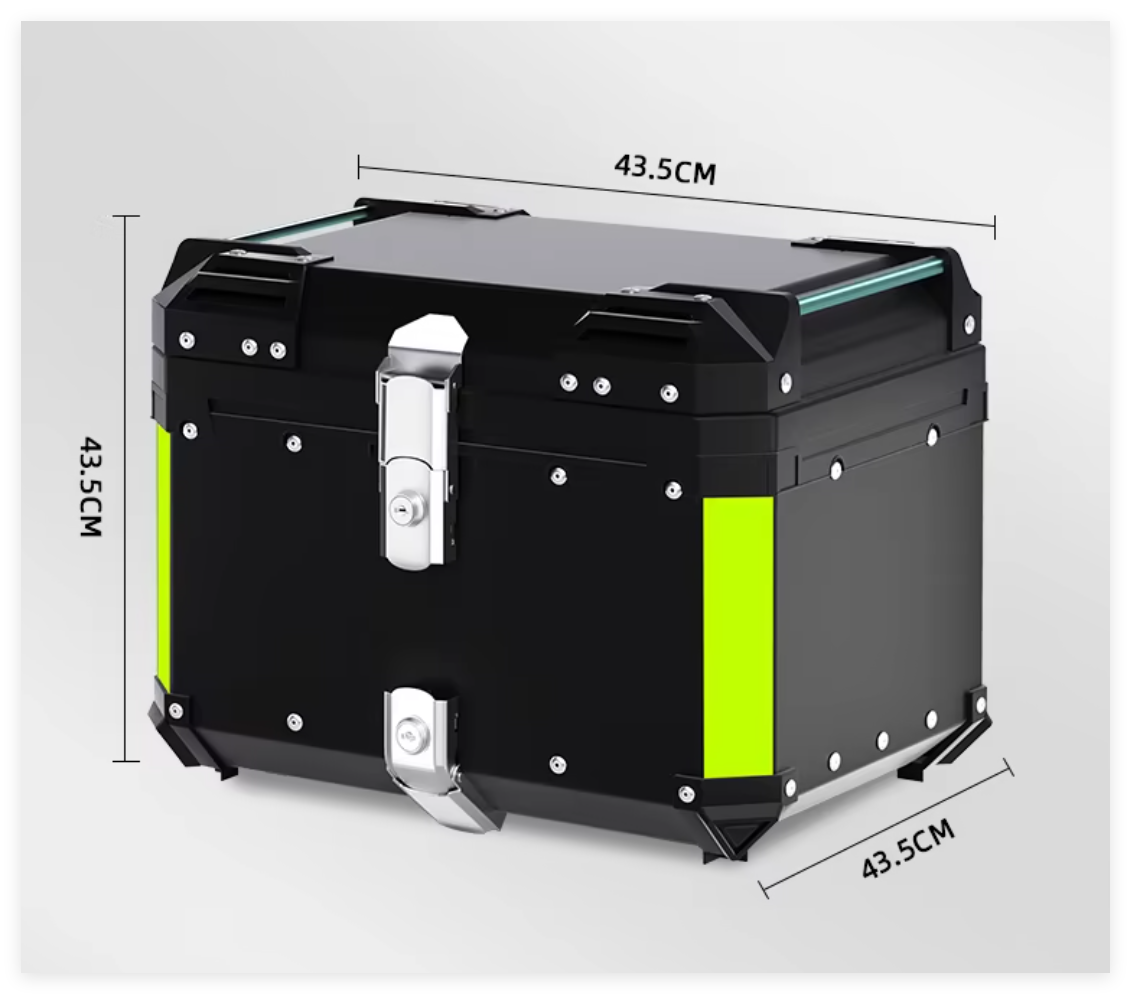
Electric scooter/motorcycle rear storage box
Engineering Excellence on Two Wheels: How Ansix Tech Masters Injection Molding for E-Scooter Storage
In the dynamic world of urban electric mobility, every component counts. The unassuming rear storage box of an electric scooter or motorcycle is a critical nexus of design, utility, and durability. As the micro-mobility revolution accelerates, manufacturers face intense pressure to deliver high-quality, reliable parts at costs that enable mass adoption. At the forefront of meeting this challenge is Ansix Tech, a leader in precision injection molding, whose systematic engineering and innovative process optimization are redefining value in component manufacturing. This deep dive explores the intricate journey from concept to mass production of these essential storage components and reveals how focused expertise translates into significant customer savings.

Smart Household electric vacuum pump
From Blueprint to Breakthrough: How Ansix Tech Masters the Art of Precision and Affordability in Household Vacuum Pump Manufacturing
Shenzhen, China – In the global landscape of small appliance manufacturing, the household electric vacuum pump represents a nexus of rising demand and exacting engineering. These compact, powerful devices, essential for food preservation, specialty packaging, and smart storage, must balance robust performance with consumer-grade safety, aesthetics, and cost. At the forefront of transforming innovative designs into market-ready, high-value products is Ansix Tech, a leader in precision injection molding, whose end-to-end mastery from material science to rapid delivery is redefining cost structures without compromising quality.

Thickened nylon five-star base mold
Forging the Future: How Ansix Tech’s Precision Mold Engineering is Redefining Value in the Injection Molding Industry
In the heart of the global manufacturing landscape, the injection molding industry stands as a pillar of modern production, transforming raw plastic resins into the myriad components that define our daily lives. From automotive interiors to medical devices and consumer electronics, the demand for high-precision, cost-effective, and rapidly delivered plastic parts has never been greater. As the industry navigates 2025, key trends are shaping its future: a relentless drive towards operational efficiency and automation, a strategic focus on sustainability, and the ongoing challenge of skilled labor shortages and supply chain resilience.
Amid this dynamic environment, companies that master the intricate dance of design, material science, and process optimization are not just surviving but thriving. One such leader is Ansix Tech, a specialist in high-performance injection molding solutions. The company recently completed a landmark project that encapsulates these industry trends: the design, manufacture, and mass production of the "Thickened Nylon Five-Star Base" mold. This project is more than a technical achievement; it is a case study in how deep engineering expertise and a customer-centric approach can dramatically reduce total component cost while exceeding performance benchmarks.

Harvester cab light cover
Precision in Production: How Ansix Tech Masters the Complex Art of Harvester Cab Light Cover Manufacturing
In the demanding world of agricultural machinery, where equipment is pushed to its limits in dust, mud, and extreme weather, every component must embody resilience. The humble cab light cover, a transparent or translucent shield protecting internal lighting, is a critical piece of this puzzle. It is not merely an aesthetic piece but a vital component responsible for operator safety during night operations and maintenance. For Ansix Tech, a leader in precision injection molding, the project to manufacture these covers for a leading harvester OEM became a showcase of engineering excellence, material science, and process innovation, all directed toward a singular goal: delivering uncompromising quality while significantly driving down the total cost of ownership for their client.